
When you know how air pollution affects your body, small, consistent adjustments can lower your daily exposure. Combining smart precautions with nourishing habits helps shield your organs from environmental stress.
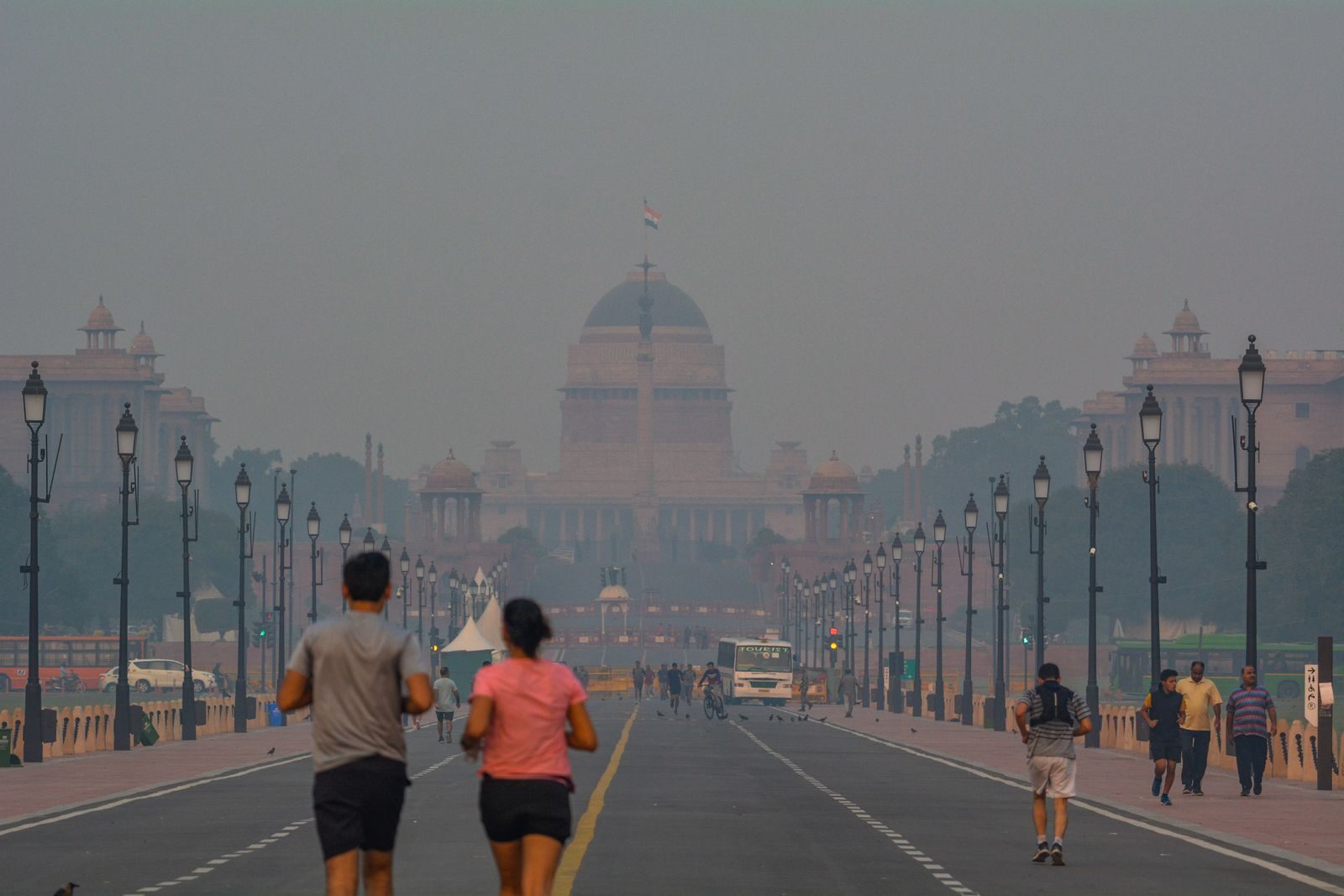
If you have glanced at the air quality headlines over the past week, the numbers coming out of Delhi are nothing short of terrifying. While the national capital battles poor air every year, last week’s post-Diwali smog pushed pollution into dangerous, severe territory—with firecrackers accounting for over 70% to 80% of the immediate particulate spike on top of stagnant winter air, vehicle exhaust, and seasonal smoke. Across northern India and beyond, millions woke up to thick, acrid haze, stinging eyes, and nagging coughs.
When chilly mornings arrive and the wind dies down, heavy air often traps exhaust, dust, and smoke close to the ground, leaving a visible haze over our neighborhoods. On days like these, most of us immediately notice the toll on our airways—a scratchy throat, watery eyes, or a nagging cough.
Yet while a scratchy throat or watery eyes are the immediate warning signs we feel on the surface, how air pollution affects your body goes far deeper than the lungs. Microscopic airborne particles, known as PM2.5, are so tiny that they slip past our respiratory system’s natural defenses and enter the bloodstream.
Once in circulation, they travel throughout the body, placing quiet, continuous stress on vital organs. Whether you are working to manage high blood pressure, living with diabetes, or simply focused on healthy aging, understanding the broader health effects of air pollution is a vital part of preventive care.

4 Ways Air Pollution Affects Your Body
-
Your Heart and Blood Vessels
When microscopic pollutants enter your bloodstream, your immune system treats them like unwanted intruders and launches an inflammatory defense. While short-term inflammation helps heal cuts or fight colds, ongoing inflammation from daily air exposure irritates the delicate inner walls of your arteries and disrupts air pollution and heart health in several ways:
- Loss of Vessel Flexibility: Healthy blood vessels widen and narrow effortlessly to keep blood moving smoothly. Airborne toxins interfere with the chemical signals that help vessels relax, causing them to stiffen and constrict over time. Years of steady irritation can speed up plaque accumulation in the arteries and raise the risk of chronic heart disease.
- Sudden Jumps in Blood Pressure: You do not need decades of smog exposure to see an impact. Breathing heavily polluted air for just a few hours can temporarily raise blood pressure. If you already live with hypertension or diabetes—conditions that make blood vessels more fragile—these sudden spikes force your heart to work overtime.
- Irregular Heartbeats: Pollutants can also agitate the nervous system pathways responsible for keeping your pulse steady, occasionally sparking palpitations, rhythm disturbances, or unexplained fatigue during simple daily tasks.
Scheduling routine cardiac screenings to keep tabs on your blood pressure, cholesterol, and triglyceride levels is one of the best ways to catch silent strain early.
6 Simple Steps to Prevent Your Risk for Strokes #HeartHealth
-
Your Brain and Cognitive Health
Because poor air quality triggers systemic inflammation and stiffens blood vessels, it also restricts smooth circulation to the brain. Over time, reduced vascular health and heightened inflammation can elevate the risk of stroke. Scientists are also uncovering links between long-term PM2.5 health effects and gradual shifts in memory, concentration, and overall cognitive sharpness, making clean air an important ally for brain longevity.
How to Identify Mild Cognitive Impairment in Older Adults, 7 Important Signs, Causes and Treatment
-
Your Kidneys
Your kidneys act as your body’s natural filtration plant, cleaning waste and toxins out of your blood around the clock. Because fine particles like PM2.5 and gases such as nitrogen dioxide enter the bloodstream, your kidneys end up processing those pollutants too.
Ongoing exposure can spark low-grade renal inflammation and gradually wear down kidney function. Emerging medical research even points to a higher likelihood of chronic kidney disease and kidney stones among people living in areas with heavy air pollution. (For anyone managing diabetes or high blood pressure, protecting kidney health deserves extra attention.)
How to prevent kidney disease and keep your kidneys healthy? (8 Important Tips)
-
Your Skin Barrier
Unlike internal organs, your skin meets polluted air head-on every time you walk out the door. Gaseous pollutants and fine dust settle on the surface, generating free radicals and oxidative stress that break down collagen and weaken your skin’s protective barrier. Over time, this environmental stress can trigger flare-ups in conditions like eczema, cause dryness and irritation, and accelerate fine lines and premature aging.
A Note for Expectant Mothers
Breathing heavily polluted air during pregnancy has been associated with complications such as preterm delivery and lower birth weights. If you are expecting, keeping an eye on local air quality forecasts and staying indoors during peak smog hours can offer meaningful protection for both you and your baby.

How to Protect Yourself From Air Pollution Every Day
Now that you know how air pollution affects your body, the good news is that small, consistent adjustments can lower your daily exposure. Combining smart precautions with nourishing habits helps shield your organs from environmental stress:
- Monitor the Daily AQI: Treat the Air Quality Index just like a weather report. A quick glance at your phone each morning tells you whether it is a great day for outdoor errands or a day to take precautions.
- Time Your Outdoor Walks: Pollution usually builds up during morning and evening traffic rushes and on warm, stagnant afternoons. Try heading out early when the air is fresher, or trade your outdoor stroll for an indoor workout, gentle stretching, or strength and balance exercises at home when haze levels climb.
- Create a Clean-Air Sanctuary Indoors: Keep windows shut when outdoor air quality drops. Running an air purifier equipped with a HEPA filter—especially in your bedroom while you sleep—gives your body several hours of clean-air recovery every night. When you must be outside in heavy smog, wearing a snug N95 mask helps block fine particles.
- Eat to Fight Oxidative Stress: Since air pollution generates free radicals and inflammation, fill your plate with colorful, antioxidant-rich foods. Leafy greens, berries, nuts, seeds, and vitamin-rich vegetables give your cells the nutrients they need to neutralize daily wear and tear.
- Soothe Minor Irritation Early: Keep simple remedies on hand for dry or scratchy days—herbal or soothing lozenges can calm an irritated throat, while preservative-free eye drops and saline nasal sprays wash away trapped dust and ease dryness. If you use an inhaler or prescribed respiratory medication, stick closely to your doctor’s plan.
- Stay Proactive With Checkups: If you ever notice lingering breathlessness, wheezing, or a cough that refuses to clear, consult your physician promptly. Depending on your symptoms and health history, your doctor may recommend routine heart screenings or a pulmonary function test (PFT) to ensure your lungs and heart are working comfortably.
Sources & Further Reading
- World Health Organization (WHO) – Air Quality, Energy and Health: Health Impacts
- S. Environmental Protection Agency (EPA) – Clinical Outcomes Related to Particulate Matter Exposure and Cardiovascular Disease
- World Health Organization (WHO) – Air Quality and Health: Cardiovascular Health
- Kulick ER, Kaufman JD, Sack C. Ambient air pollution and stroke: an updated review. 2023;54(3):882–893. doi: 10.1161/STROKEAHA.122.035498
- Chemical & Engineering News (C&EN) – Does air pollution cause kidney disease?
- National Library of Medicine (PMC) – Air Pollution and Skin Health (PMC11965873)
- National Library of Medicine (PMC) – Air Pollution Exposure During Pregnancy (PMC1247592)
Disclaimer: YourMedGuide.com does not provide medical advice, diagnosis, or treatment. The information shared here is purely for educational purposes. Always consult your physician for personalized health guidance.