- Why Potassium Is So Important
- Why Potassium Deficiency Is Often Missed
- Recognizing the Symptoms
- Who’s Most at Risk?
- Potassium and Heart Health, blood pressure
- The Best Food Sources of Potassium
- When Supplementation Is Needed
- How to Boost Potassium Intake Naturally
- The Bottom Line
- FAQ: Potassium Deficiency
We often focus on getting enough calcium or iron. Magnesium is finally getting attention. But potassium? This essential mineral rarely makes headlines until there’s a deficiency. When this happens, the consequences can be serious.
Potassium deficiency, or hypokalemia, is often an invisible gap in modern diets — even for people who think they eat “healthy.” Early signs can be so mild they’re blamed on stress, age, or “just being tired.” Meanwhile, low potassium disrupts the body’s electrical signals that control muscle movement, nerve communication, and heart rhythm.
Why Potassium Is So Important
Potassium is an essential electrolyte your body needs for:
- Regulating fluid balance
- Helping muscles — including the heart — contract properly
- Maintaining healthy nerve signals
- Supporting blood pressure control by balancing the effects of sodium
Without enough potassium, your heart rhythm may be thrown off, blood pressure can rise, and your muscles may cramp or weaken. Severe deficiency can even cause dangerous arrhythmias and paralysis — medical emergencies that require immediate attention.
According to research, adequate potassium intake is strongly linked to lower risks of hypertension and stroke.
Why Potassium Deficiency Is Often Missed
Globally, most adults fail to meet their daily potassium needs. Depending on the guideline, the recommended daily intake for adults is 3,500–4,700 mg, yet many fall short by 1,000 mg or more.
It’s missed for several reasons:
- Modern diets are sodium-heavy and potassium-light. Processed and packaged foods are typically low in potassium but high in salt.
- Symptoms can be vague — Fatigue, weakness, and mild cramps are easy to overlook.
- Routine blood tests may not show it — Mild deficiencies may not appear unless potassium drops significantly.
- Losses from illness or medication — Diuretics, certain blood pressure medications, vomiting, diarrhea, or excessive sweating can cause depletion.
Recognizing the Symptoms
While severe hypokalemia is rare without an underlying medical condition, mild-to-moderate potassium deficiency is common and can impact health.
Common potassium deficiency signs include:
- Persistent fatigue
- Muscle weakness or cramps
- Tingling or numbness
- Constipation
- Heart palpitations or irregular heartbeat
- Elevated blood pressure
Severe potassium deficiency can lead to dangerous arrhythmias and even muscle paralysis — a medical emergency.
Who’s Most at Risk?
Certain groups have a higher risk of potassium deficiency:
- People taking diuretics or certain heart medications
- Those with kidney disorders
- People with eating disorders or chronic vomiting/diarrhea
- Athletes or workers in hot climates with heavy sweating
- Older adults with restricted or reduced diets
Potassium and Heart Health, blood pressure
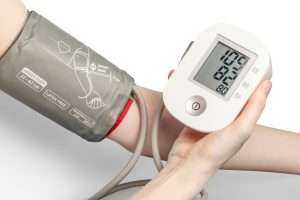
Potassium and sodium work in a constant balancing act. High sodium raises blood pressure; potassium helps relax blood vessel walls and promotes sodium excretion through urine.
Multiple studies, including a systematic review, show that increasing dietary potassium can reduce blood pressure and the risk of stroke. These benefits are especially important for people with hypertension or a family history of heart disease.
The Best Food Sources of Potassium
Bananas are a good source — but far from the richest. Many other foods have more potassium per serving.
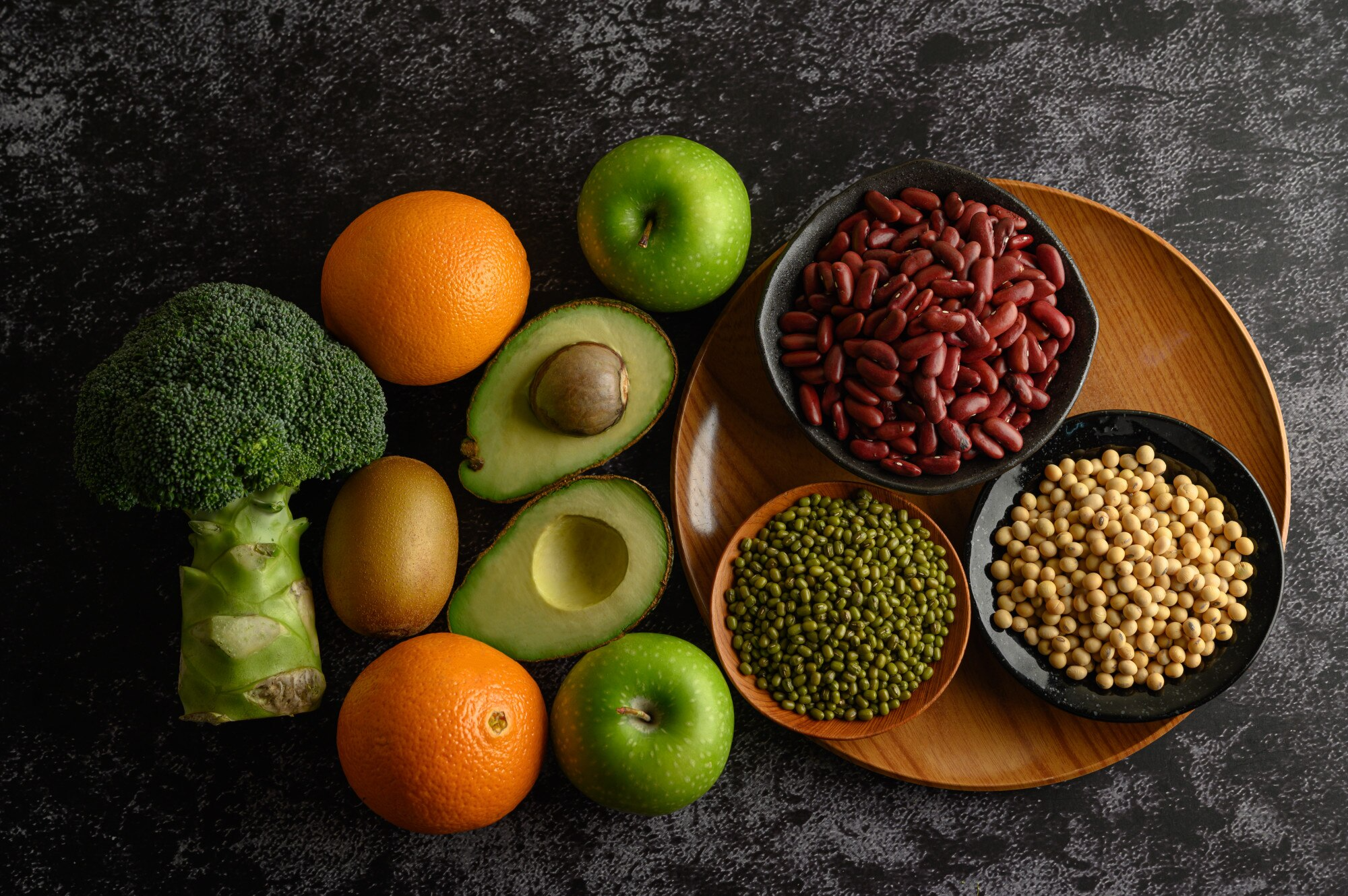
Foods high in potassium include:
- Sweet potatoes – ~950 mg per large baked potato
- White beans – ~1,000 mg per cup (cooked)
- Spinach – ~840 mg per cooked cup
- Avocados – ~975 mg per whole avocado
- Beet greens – ~1,300 mg per cooked cup
- Yogurt – ~380 mg per cup
- Salmon – ~750 mg per 6 oz portion
Aim for a variety of potassium-rich foods throughout the day instead of relying on a single source.
When Supplementation Is Needed
Unlike many vitamins, potassium supplements can be dangerous if overused — especially for people with kidney problems or those taking certain medications. Too much potassium can lead to hyperkalemia, which is just as dangerous as a deficiency.
If a supplement is necessary, it should be prescribed and monitored by a healthcare provider, ideally alongside blood testing. For most people, diet-first is the safest and most effective approach.
How to Boost Potassium Intake Naturally
Practical, diet-based ways to increase potassium include:
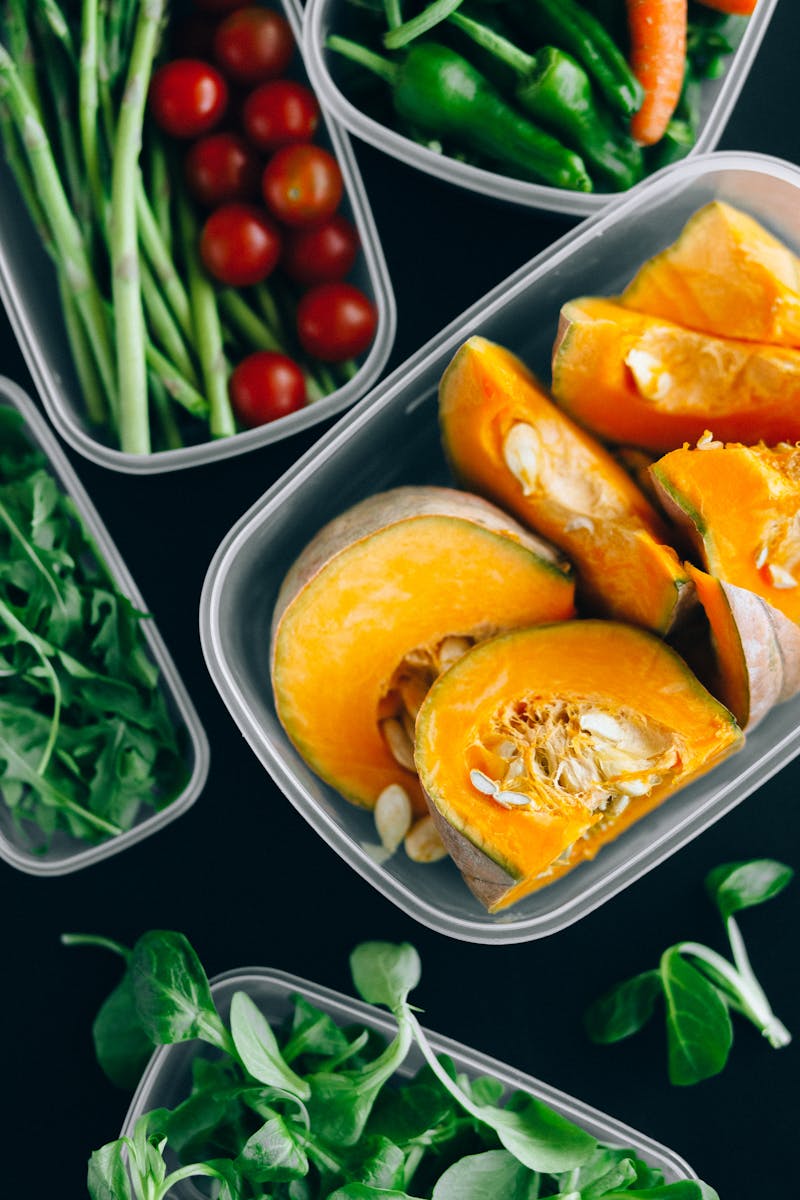
- Building meals around whole, unprocessed foods like fruits, vegetables, legumes, dairy, and fish
- Swapping salty snacks for potassium-rich options such as roasted chickpeas or baked sweet potatoes
- Adding leafy greens to soups, stews, and omelets
- Choosing baked potatoes over fries
- Making smoothies with yogurt, spinach, and berries for a potassium-packed breakfast
The Bottom Line
Potassium deficiency is a silent but significant nutrient gap in modern nutrition. It can quietly affect heart health, muscle function, and blood pressure long before obvious symptoms appear.
Most adults can protect themselves by:
- Eating a wide variety of potassium-rich foods
- Reducing high-sodium processed foods
- Seeking medical guidance before taking supplements
Small, consistent dietary changes can help keep your heart, muscles, and nerves functioning optimally.
FAQ: Potassium Deficiency
Q: What’s the main cause of potassium deficiency?
A: Low intake from diet, excessive losses from illness or medication, or certain health conditions.
Q: Can I just take a potassium pill to fix it?
A: No — supplementation should only be done under medical supervision due to potential risks.
Q: Are bananas the best potassium source?
A: They’re good, but many foods like beans, greens, and sweet potatoes offer more potassium per serving.
Q: How quickly can potassium levels drop?
A: Rapid losses can occur with vomiting, diarrhea, or heavy sweating, especially if combined with low intake.
Also read: What is heart failure? Symptoms, causes and treatment #hearthealth
Featured image from freepik.com