

You haven’t been great at heeding the warnings of your physician and now your prediabetes condition has progressed into full-blown Diabetes.
Is it too late to fix this?!
Of course not.
But how to make the shift in treatment and management?
How to update your care routine?
While diabetes cannot be reversed, certain measures such as monitoring your carb and fat intake, regularly checking blood sugar levels, and getting sufficient exercise will allow you to keep diabetes in check.
What is prediabetes?
Prediabetes is a warning sign of type 2 diabetes. While blood sugar levels are higher than the ideal range, they don’t always show up as diabetes symptoms and it can be easy to ignore them. Also, not everyone with prediabetes develops diabetes. However, when it does progress into full-blown diabetes, it is certainly possible to take steps to manage it and stay healthy–just as I did. It can be as easy as gentle weight loss, stepping up physical activity to as little as brisk walking for thirty minutes a day and making some diet changes. This brings the added bonus of heart health and protecting against diabetes complications.
In people with uncontrolled diabetes, the extra blood glucose in the blood raises the risk of heart attack, kidney failure, blindness and neuropathy. So, let’s see how we can prevent these diabetes complications by controlling blood sugar with some easy-to-implement tips.
Four years ago, when I was diagnosed with diabetes, my first reaction was shocked surprise, immediately followed by regret at having ignored the prediabetes symptoms. However, I realised it wasn’t too late to reign it in, provided I made some lifestyle changes and built a routine for diabetes care. This meant making a schedule for checking my blood sugar, monitoring my carbohydrate and fat intake and exercising regularly. And of course, getting enough sleep and staying stress-free.
Here are my tips on how I put checks in place for myself.

When Prediabetes Turns Into Diabetes: What Then?
While prediabetes is a warning sign of type 2 diabetes, not everyone with it develops diabetes. If and when the status does change, know it’s not the end of the world but the start of a new, healthier one. Diabetes care and staying healthy are a very realistic possibility and within your reach today.
Four years ago, when I was diagnosed with diabetes, my first reaction was shocked surprise, immediately followed by regret at having ignored the prediabetes symptoms. However, I realised it wasn’t too late to rein it in, provided I made some lifestyle changes and built a routine for diabetes care. This meant making a schedule for checking my blood sugar, monitoring my carbohydrate and fat intake, and exercising regularly. And of course, getting enough sleep and staying stress-free.
Here are a couple of tips on how I put checks in place for myself
Tip 1: Create a Plan
When I was diagnosed with diabetes, the first thing I did was set personal goals. I was determined to reduce my HbA1c by:
- Switching to a healthy diet.
- Walking every day for 45 minutes.
- Getting enough sleep.
- Reducing my workload to reduce stress.
It can initially be a little overwhelming to make these changes, but at the end of two months, I saw positive results.
Tip 2: Be More Active
Don’t worry if you haven’t been exercising regularly. You can still start today and make it a habit! Here are some tips:
- Set aside a specific time to walk for 30 minutes daily, preferably in the morning to get your dose of vitamin D. Wear a good pair of shoes.
- Take the stairs whenever you can.
- Enjoy watching TV? Stretch during the commercial breaks.
- Avoid sitting for long periods. If you have a desk job, get up and move every hour.
- Biking, gardening, swimming, walking your pet — all of these count as physical activity, so incorporate enjoyable movement into your day.
- Twice a week, include strength-training exercises such as lifting weights. This builds muscle and burns calories, which lowers blood sugars and leads to better insulin management in your body.
Before taking up any intensive exercise, do consult your physician.
Tip 3: Eat Healthy
Simple diet changes can help you manage blood sugar levels. Start by saying no to sugar, baked goods made from refined flour and sodas, soft drinks and packaged juices. Rather, follow these healthy eating tips:
- Plan your meals and snacks, cooking at home to avoid processed, packaged and canned foods, which are heavy on salt, sugar and empty calories.
- Practice portion control with the plate method: Fill half your plate with nonstarchy vegetables, a quarter with protein and a quarter with whole grains or starchy vegetables.
- Add fibre to every meal.
- Aim for three servings of vegetables and fruits daily, especially nonstarchy leafy greens, cauliflower, broccoli, carrots, beans, cucumber and tomatoes.
- Pick whole-grain foods, including brown rice instead of white rice.
- Watch your calories. To start, replace full-fat milk with skim or low-fat milk. In general, go for low-fat versions of foods.
- Try and have breakfast, lunch and dinner at the same time every day.
- For hunger pangs between meals, choose healthy snacks like a handful of roasted nuts, sprouts, a small fruit with a tablespoon of boiled groundnuts, low-fat yoghurt, one hard-boiled egg or a multigrain sandwich filled with tomato, cucumber and cheese.
- Always carry emergency snacks with you.
- Drink enough water.
It helps to take your medication at the same time every day.
Tip 4: Get Enough Sleep
Sleep deprivation makes it difficult for your body to use insulin effectively, and insulin resistance can lead to obesity. A healthy weight is as important for diabetes care as a good diet, so make sure you sleep seven to eight hours daily.
This change was the toughest but I’ve managed it. You can, too! Simply move out all electronic gadgets from the bedroom. They make it harder to sleep.
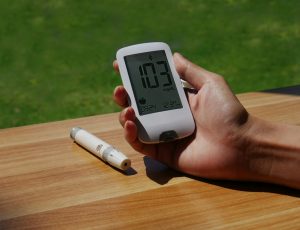
Tip 5: Monitor Your Blood Sugar
Talk to your doctor, understand your monitoring requirement. Do you need to understand your variability better? Or do you need to keep a close eye at your levels at all times? This will determine that type of monitoring mechanism to take on i.e. standard HbA1c tests, self administered glucose strips or continuous glucose monitoring. Just as important to understand the why as much as what you are testing.
Tip 6: Pledge to Stay Committed
Making the right self-care choices and staying committed to your goals is easy when you’re in the right frame of mind. Pledge to do your best but know not all days are perfect. Even if you succeed 80 percent of the time, you’re doing well. Incorporate those lifestyle changes, take your medicines, stick to a healthy diet to avoid the complications of diabetes, exercise daily, track blood sugar levels and keep your follow up appointments with your doctor. That should see you through.
Tip 7: Buddy Up
In life, most tasks become easier when you buddy up with others or seek support. Having support keeps you motivated. If you can’t join a group of people with similar goals, rope in your family and friends to cheer you on and keep you accountable.
Tip 8: Empower Yourself with Information
With any diagnosis comes a flood of unknown. Don’t let it overwhelm you; instead, monitoring your glucose levels should empower you to take control of your health. When you know what’s going on with your levels, you can understand how your body reacts to specific food, exercise routines and medication. That’s important because then you can start making smart, informed treatment decisions with your doctor.
Take action today. Once you start your diabetes care, you’ll be on the path to a healthy life. You can do it!
Take action today.
Start your diabetes care and get on the path to a healthy life. You can do it!
It is important to have the right mindset.
Accept that you won’t do things perfectly every day, but pledge to do your best most of the time. Make a conscious choice—practice consistency in your daily routine to promote your own health.
Pledge to do your best—make small changes that add up over time.
Repeat after me: “Yes, I can do this!”
Disclaimer: This content is meant for awareness and educational purposes and does not constitute or imply an endorsement, sponsorship or recommendation of any products. Please consult your doctor or healthcare practitioner before starting any diet, medication or exercise.





[…] Courtesy: YourmedGuide […]