

The symptoms of type 2 diabetes are often silent
Most people think of type 2 diabetes symptoms as obvious—excessive thirst, blurred vision, or sudden weight gain. But in reality, Type 2 diabetes can come in silently, often going undetected for years. That’s why nearly 1 in 4 people with diabetes don’t even know they have it.
If caught early, the symptoms of type 2 diabetes are manageable—and in some cases, they can be reversible with lifestyle changes. But the key is knowing what to look for.
1. Fatigue That Doesn’t Go Away
Everyone gets tired. But if you’re constantly drained—even after a full night’s sleep—your blood sugar might be out of whack. When cells don’t get enough glucose due to insulin resistance, your body runs on low energy, leaving you sluggish, foggy, and sometimes even irritable.
2. Frequent Urination (Especially at Night)
Do you need to urinate more frequently than usual, especially at night? That could be a red flag–one of the early symptoms of type 2 diabetes.
When blood sugar levels are too high, the kidneys try to flush it out through urine. This leads to increased urination, dehydration, and often, interrupted sleep.
3. Blurry Vision
Your eyesight may go in and out of focus, not from eye strain, but because of fluctuating fluid levels in the lenses of your eyes caused by high blood sugar. It’s not permanent in the early stages, but blurry vision can be an early warning sign that your blood sugar needs attention.
4. Unexplained Weight Loss
Losing weight without trying might sound like a dream, but if it happens rapidly or without changes in diet or exercise, it could be due to your body breaking down fat and muscle for energy when it can’t use glucose properly.
This is more common in the early stages of undiagnosed Type 2 diabetes, and definitely worth a closer look.
5. Slow Wound Healing
Cuts, scrapes, or skin infections that just won’t heal can be one of the early symptoms of type 2 diabetes. Diabetes affects blood circulation and damages nerves over time, slowing down the body’s natural healing process.
You might also notice:
- Frequent yeast infections
- Gum issues or bleeding gums
- Itchy or dry skin, especially on the feet and hands
What If You Have No Symptoms at All?
That’s the trickiest part—early-stage Type 2 diabetes is often asymptomatic. Some people only discover it during routine blood tests or checkups.
That’s why regular screening is essential, especially if you:
- Are over 40
- Are overweight or obese
- Have a family history of diabetes
- Lead a mostly sedentary lifestyle
- Have PCOS or a history of gestational diabetes
When to See Your Doctor
If any of these symptoms of type 2 diabetes sound familiar—or even if they don’t, but you’re in a high-risk group—it’s worth scheduling a simple blood test.
- Check your fasting blood sugar
- Check your HbA1c (3-month average)
- Schedule an Oral glucose tolerance test (OGTT)
Early detection can prevent serious complications like heart disease, kidney issues, and vision loss.
Final Thoughts
Type 2 diabetes doesn’t always announce itself obviously, but your body is still sending messages. Fatigue, fuzzy vision, extra bathroom visits—these aren’t just signs of “getting older.” They’re worth your attention. Spotting it early could change everything.
Please remember that over time, high blood glucose can damage your heart, kidneys, feet, and eyes. If you have diabetes, you can take steps to lower your chances of developing diabetes health problems by taking steps to improve your health and learning how to manage the disease. Managing your blood glucose, blood pressure, and cholesterol levels can help prevent future health problems.
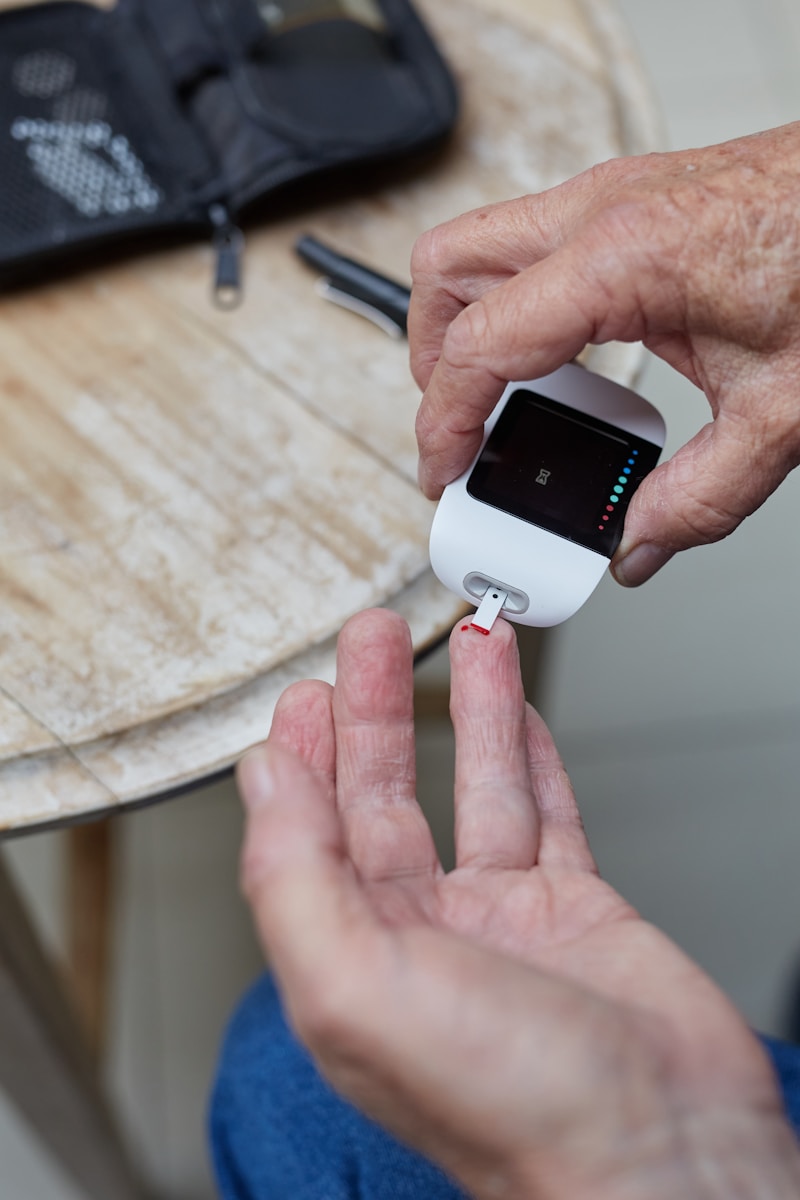
When was the last time you checked your blood sugar? If it’s been a while, consider checking it today.
Stay healthy!