- 1. Acts as an emergency energy reserve
- 2. Builds muscle
- 3. Strengthens your bones
- 4. Boosts Your Immune System
- 5. Keeps you full and reduces cravings
- 6. Burns fat
- 7. Supports heart health
- 8. Helps with recovery
- 9. Moves nutrients in your body
- Can You Get Too Much Protein?
- Are there healthy and cheap sources of protein?
- Here are 11 affordable sources of protein
If you consult a nutritionist or dietitian, they probably emphasize that protein should be a part of every meal. As the body’s powerhouse, protein helps in many ways. It is one of the building blocks of our cells, tissues, organs, hair, nails, bones and muscles. Protein is also responsible for ensuring our tissues and organs maintain their shape and function the way they are supposed to.
Let’s look at 9 reasons why protein is crucial in our diet. This is followed by 11 affordable and healthy sources of protein you can consider adding to your diet.
1. Acts as an emergency energy reserve
Carbohydrates and fats are the body’s first choice for energy. But when you’re running low on calories, or if you’re a serious athlete, protein is what keeps you going past the point of normal energy stores.
2. Builds muscle
As you lose weight, protein helps prevent muscle loss. If you lift weights for strength, protein helps you build muscle and maintain its size and shape.
3. Strengthens your bones
Studies show that getting the right amount of protein in your diet improves your bone health along with adequate calcium intake. It lowers your chances of osteoporosis (bone loss) by helping you maintain bone density, and it helps prevent breaks as you age, too.
4. Boosts Your Immune System
Proteins are made of amino acids. These compounds help turn T cells, B cells, and antibodies into germ fighters that spot and kill harmful cells entering your body before they can start an infection.
5. Keeps you full and reduces cravings
Cravings are different than a true need for food. They originate from your brain, not your stomach. Research shows that getting more protein can help curb these cravings, even late-night fridge raids.
6. Burns fat
Enough protein in your diet boosts your metabolism (the rate at which your body uses calories). This means you burn more calories a day — even at rest — than you would on a lower-protein diet.
7. Supports heart health
Studies on protein, specifically plant protein, show that it can help lower blood pressure. It can also decrease your LDL or bad cholesterol levels, which lowers your risk of heart disease.
8. Helps with recovery
As the building block of your body’s tissues and organs, protein powers faster wound repair by reducing inflammation and creating new tissue at the site of the injury.
9. Moves nutrients in your body
Proteins carry vitamins, minerals, sugars, cholesterol, and oxygen through the bloodstream into cells and tissues that need them to work. Some proteins even store certain nutrients, like iron, as a backup supply when you need it.
Can You Get Too Much Protein?
A high-protein diet has clear benefits, but can too much harm your health? Yes, it puts you at a higher risk of cancer, higher cholesterol, kidney stones, weight gain, and constipation. But many of these potential effects depend on the type of protein you’re getting and your overall diet. Ask your doctor or nutritionist what’s best for you.
Are there healthy and cheap sources of protein?
Protein is available in various forms. The important thing is to choose right.
- Go for healthy low-fat sources.
- Avoid saturated fats and highly processed options.
- Instead of consuming all your protein for the day in one meal, spread it through the day.
- Don’t forget to ensure you eat your fruits and veggies to get your vitamins, minerals, and fiber.
Here are 11 affordable sources of protein
1. Cottage Cheese
Cottage cheese, which has casein, has nearly 24 grams of protein per cup. Casein is a type of protein you digest slowly, which helps you feel full longer. Cottage cheese is a great add-in.
How to use: Blend it in a smoothie or mix it into scrambled eggs. Use it as a base for a bowl topped with veggies, olives, and seasonings. Or power up muffins by adding cottage cheese to your favorite recipe.
2. Lentils
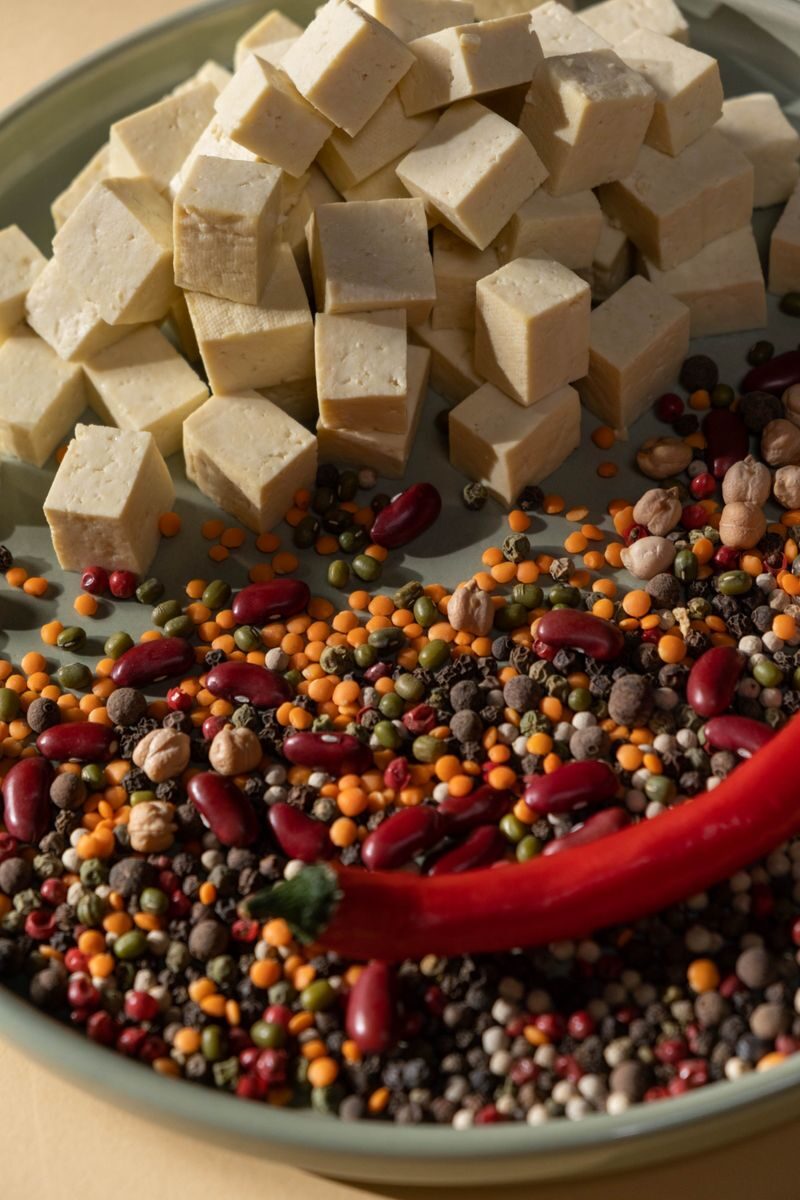
These legumes are small but mighty, with 18 grams of protein per cup (cooked). They’re also heart-healthy and high in iron. Lentils cook up faster than most dried beans since you don’t need to presoak them.
How to use: Add cooked lentils to a salad with chopped sweet peppers, herbs, and spices. Or simmer dried ones into a soup with broth, garlic, onion, diced tomatoes, spinach, and rosemary.
3. Oats
Rolled, steel-cut, or instant, they all have about 5 grams per 1-cup serving (cooked).
How to use: Boost fiber and flavor by topping your oatmeal with berries, nuts, cinnamon, and a drizzle of honey. For a twist, use whole-oat groats (cleaned and hulled oats) as a base for poultry stuffing.
4. Peanuts
Peanuts are not really nuts. They’re legumes, like peas and beans. One ounce has 7.3 grams of protein.
How to use: Sprinkle them onto a salad, add them to sautéed chicken and veggies, and stir peanut butter into your morning oatmeal. Or just have a handful for a snack.
5. Tempeh
Tempeh is a fermented soy food like tofu. But it’s firmer with a distinct savory flavor that makes it a great meat substitute. It has 33.7 grams of protein per cup.
How to use: Steam, bake, or fry it, and add it to stews and soups. Try it on a skewer for grilling. Or put broiled tempeh on whole-grain bread and top with sauerkraut, cheese, and a dressing.

6. Black Beans
Legumes like black beans are a good source of fiber and protein. You’ll get 7 grams of protein in a half-cup serving. Studies show that black beans contain compounds that help control your blood sugar and insulin levels.
How to use: Add canned or cooked dried ones to soup, burritos, or a layered dip with guacamole, chopped tomatoes, diced onions, and cilantro. In vegetarian chili, mix black beans with red kidney and pinto beans.
7. Eggs
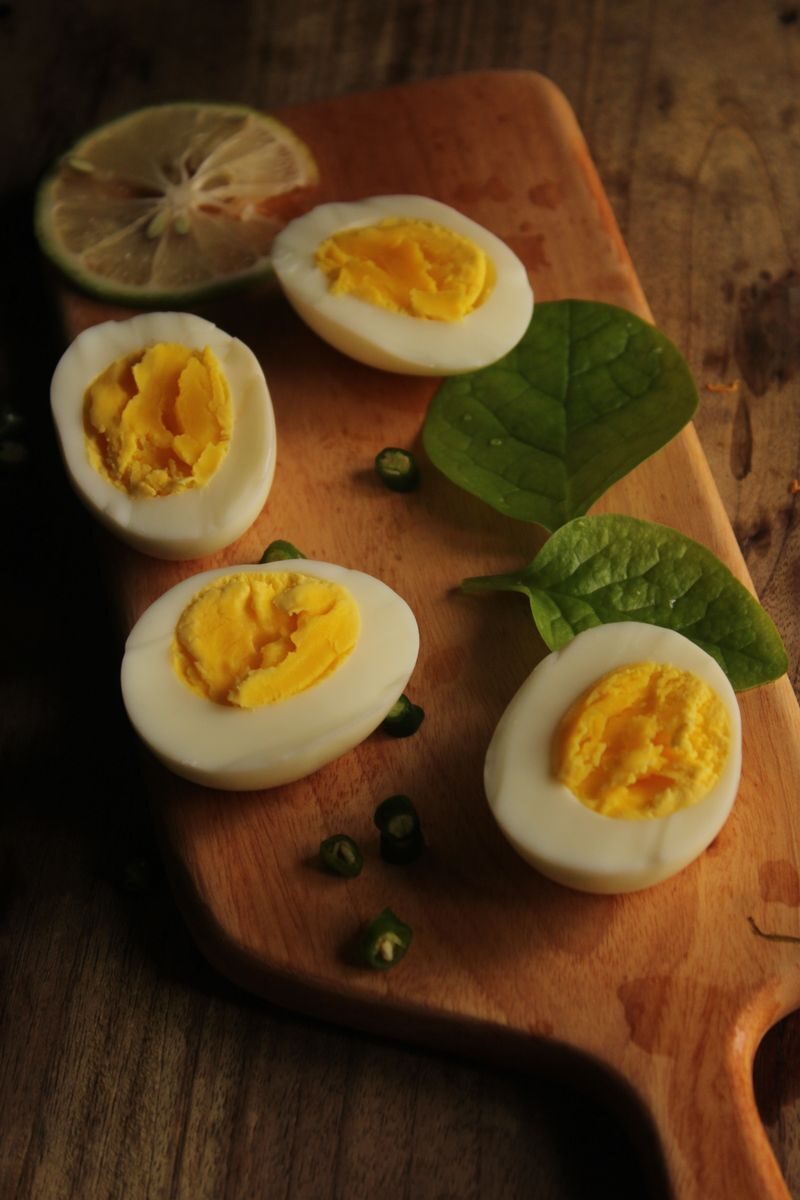
Eggs are inexpensive, quick-cooking, and offer 6 grams of protein each.
How to use: Whip up huevos rancheros by scrambling eggs with chili peppers. Serve with black beans and corn tortillas. Chop hard-boiled eggs and mix with lemon juice, olive oil, leeks, and dill for egg salad. If you’re cutting carbs, replace half the noodles in your mac and cheese with scrambled egg whites. They taste like al dente pasta when covered in cheese sauce.
8. Sardines
You don’t need to spend a bundle to stock up on protein-rich foods. Take sardines, for example. The small, silvery fish pack 18 grams of protein in a 1/2-cup serving. You can buy them fresh, but canned is cheaper. Look for those canned in water or olive oil, and rinse off any extra oil. They’re easy to prepare.
How to use: Just sprinkle with lemon juice and olive oil, or top with chopped tomatoes and herbs like basil or oregano.
9. Ground Turkey
There’s 23 ounces of protein in a 3-ounce serving of this versatile bird. Certified organic or pasture-raised ground turkey is often more expensive, but may offer more nutrients and fewer additives. It substitutes for ground beef or pork in burgers, meatloaf, or chili.
How to use: For a light lunch, fill crisp cabbage leaves with ground turkey sautéed with soy sauce, ginger, scallions, jalapeño, and cilantro.
10. Chicken Breast
This protein powerhouse can be cooked in many ways — grilled, baked, broiled, sautéed, and more. It’s got 27 grams of protein per 4-ounce serving.
How to use: Toss cooked, sliced chicken breast into a salad. Stir-fry it with veggies, soy sauce, sesame seeds, ginger, garlic, and seasonings. Or, for a lower-fat meatloaf, sub ground chicken breast for beef or veal.
11. Canned Tuna
It’s got 40 grams of protein per can, and a mild flavor that pairs well with lots of ingredients.
How to use: Try it with olives, chili peppers, leeks, fennel, and/or walnuts in a tuna salad. Did you know you can use canned tuna in sushi? Roll it into sheets of roasted seaweed with cooked brown rice, avocado, and cucumber. Buy tuna packed in water or broth instead of oil to keep fat lower.
Stay healthy!