- What Is Seasonal Affective Disorder?
- The Science Behind SAD: Why Does It Happen?
- Symptoms of Seasonal Affective Disorder
- Who Is Most at Risk?
- The Health Impact of Untreated SAD
- Evidence-Based Treatments for SAD
- Preventive Measures: Getting Ahead of SAD
- What to Remember
- FAQ: Seasonal Affective Disorder
As autumn fades into winter and the days grow shorter, many people notice a subtle but persistent shift in mood. Fatigue, irritability, and a loss of interest in usual activities may set in. While some dismiss these changes as “winter blues,” for many, they signal something more serious: Seasonal Affective Disorder (SAD).
SAD is a recognized type of depression that follows a seasonal pattern, most often emerging in fall or winter and improving with spring sunlight. Far from being a minor inconvenience, SAD affects brain chemistry, mood, sleep, and overall health. Recognizing and addressing it early is key to reducing its impact.
What Is Seasonal Affective Disorder?
Seasonal Affective Disorder is classified as a type of major depressive disorder with a seasonal pattern. It typically begins in late autumn or early winter, when daylight hours decrease, and subsides in spring or summer.
According to the National Institute of Mental Health, SAD affects about 5% of adults in the United States each year, with symptoms lasting about 40% of the year. Women are more likely to be diagnosed than men, and it most commonly appears in young adulthood.
The Science Behind SAD: Why Does It Happen?
Researchers believe several biological factors contribute to SAD:
- Reduced Sunlight Exposure
Shorter days mean less natural light, which disrupts circadian rhythms. This internal clock regulates sleep, hormones, and mood. A disrupted circadian rhythm contributes to fatigue, poor concentration, and mood changes. - Serotonin Levels
Serotonin, a neurotransmitter linked to mood regulation, may decrease during reduced sunlight exposure. Lower serotonin activity is associated with depression (PubMed). - Melatonin Regulation
Darkness increases melatonin production, which signals the body to sleep. Longer nights can cause an overproduction of melatonin, leading to excessive sleepiness and lethargy. - Vitamin D Deficiency
Sunlight is a major source of vitamin D synthesis in the body. Low vitamin D levels are linked to depressive symptoms and may worsen SAD.
Symptoms of Seasonal Affective Disorder
While SAD shares features with other forms of depression, its seasonal pattern is distinct. Common symptoms include:
- Persistent low mood
- Loss of interest in activities once enjoyed
- Increased sleep, but still feeling tired
- Cravings for carbohydrates and weight gain
- Difficulty concentrating
- Irritability and agitation
- Feelings of hopelessness or guilt
In severe cases, SAD can impair work, relationships, and daily functioning. It is not a temporary “slump,” but a medical condition that requires attention.
Who Is Most at Risk?
Certain groups are more vulnerable to developing SAD:
- Geographic location – People living farther from the equator are more likely to experience SAD due to longer winters and reduced sunlight.
- Gender – Women are diagnosed at higher rates than men.
- Age – Young adults and middle-aged individuals are more commonly affected.
- Family history – Having a close relative with depression or bipolar disorder raises risk.
- Existing depression or mood disorders – Those with prior mental health conditions may experience worsening symptoms seasonally.
The Health Impact of Untreated SAD
Untreated SAD can progress beyond seasonal symptoms, leading to:
- Chronic major depression
- Social withdrawal and isolation
- Reduced work productivity
- Worsening of physical health through inactivity and poor diet
- Increased risk of substance misuse as self-medication
Given its recurring nature, addressing SAD proactively each year is critical.
Evidence-Based Treatments for SAD
Fortunately, SAD is treatable. The most effective approaches often combine environmental, lifestyle, and medical interventions:
1. Light Therapy (Phototherapy)
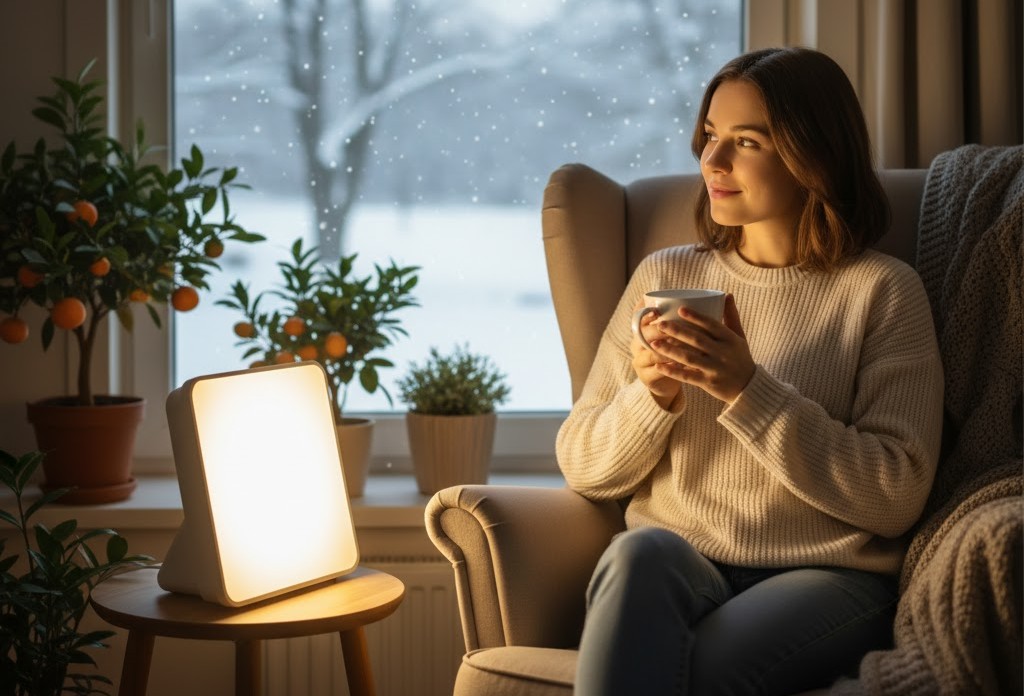
Light therapy is considered the first-line treatment for SAD. It involves sitting near a light box that emits bright light (10,000 lux) for 20–30 minutes each morning. This exposure mimics natural sunlight and helps reset circadian rhythms, showing significant symptom improvement with consistent use.
2. Cognitive Behavioral Therapy (CBT)
CBT adapted for SAD helps patients challenge negative thought patterns and develop coping strategies. Studies indicate CBT can be as effective as light therapy, with longer-lasting benefits.
3. Medication
Antidepressants, particularly selective serotonin reuptake inhibitors (SSRIs), may be prescribed in moderate to severe cases. These medications improve serotonin balance and relieve depressive symptoms.
4. Vitamin D Supplementation
Given the link between low vitamin D and depression, supplementation may provide benefits for those deficient, though results vary.
5. Lifestyle Adjustments
- Spending more time outdoors, even on cloudy days
- Maintaining a regular exercise routine
- Prioritizing sleep hygiene
- Consuming a nutrient-rich diet with omega-3 fatty acids, whole grains, and fresh produce
Preventive Measures: Getting Ahead of SAD
For individuals with a history of SAD, preventive steps can reduce symptom severity:
- Begin light therapy in early fall before symptoms develop.
- Schedule outdoor activity daily, ideally in the morning.
- Keep a structured daily routine to reinforce circadian stability.
- Stay socially connected to avoid isolation during winter months.
What to Remember
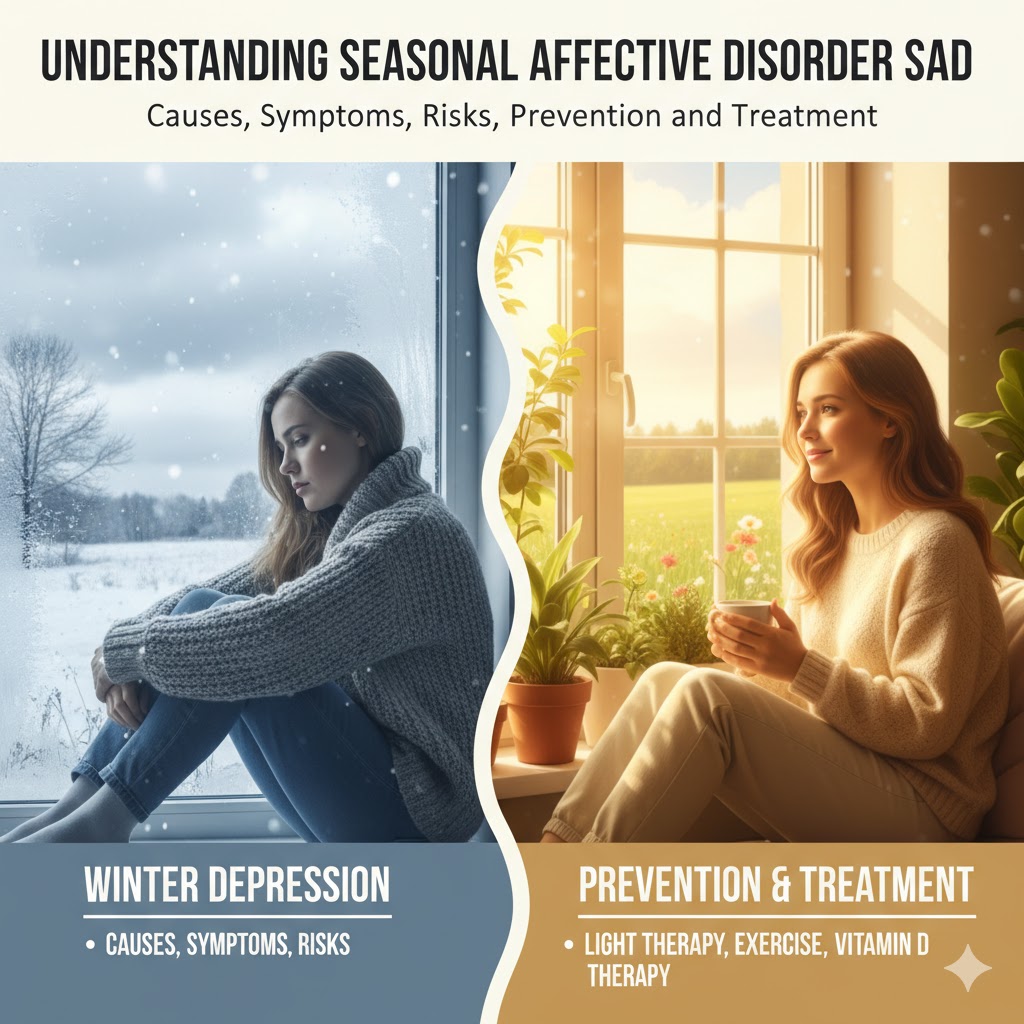
Seasonal Affective Disorder is more than a seasonal slump. It is a biologically driven form of depression influenced by light exposure, brain chemistry, and circadian rhythm disruption. While symptoms often fade with spring, the effects can be profound during the darker months.
Evidence-based strategies such as light therapy, CBT, and lifestyle adjustments provide relief and help restore balance. Recognizing the condition early ensures that SAD remains manageable rather than overwhelming.
FAQ: Seasonal Affective Disorder
- How is SAD different from regular depression?
SAD follows a seasonal pattern, usually starting in fall or winter and remitting in spring. Regular depression has no seasonal link. - Does light therapy have side effects?
Some may experience mild eye strain, headache, or nausea. These usually resolve with shorter sessions or adjusting light placement. - Can diet alone treat SAD?
Dietary improvements support overall mental health but are not sufficient as a standalone treatment for SAD. They work best alongside light therapy and other interventions. - How quickly does light therapy work?
Most people notice improvement within 1–2 weeks of daily use. - Can children and teens develop SAD?
Yes. While less common, adolescents can experience SAD, and symptoms may affect academic performance and mood.