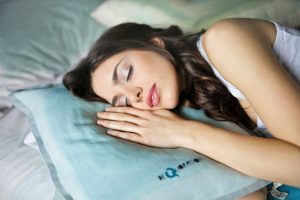
Most of us think about sleep hygiene in terms of winding down at night — avoiding screens, sipping herbal tea, dimming the lights, and a consistent routine. But the truth is, your ability to sleep well tonight starts with what you do in the morning. And one of the simplest, most powerful tools for better sleep, sharper focus, and brighter mood is completely free: morning light. late nights, indoor lifestyles, and constant screen glow, morning light may be the most overlooked — and most accessible — tool for better health.
Research shows that early exposure to natural light helps reset the body’s circadian rhythm, regulates hormone production, and supports mental well-being. Without it, many people struggle with sluggish mornings, poor concentration, and restless nights — even if they think they’re doing everything else “right.”
How Circadian Rhythm Works
Every living being has an internal clock, known as the circadian rhythm. This roughly 24-hour cycle governs when we feel alert and when we feel sleepy, when hormones rise and fall, and even how our metabolism runs.
At the center of this clock is a tiny structure in the brain called the suprachiasmatic nucleus (SCN), located in the hypothalamus. It receives direct input from the eyes, specifically from cells that respond to light.
When morning light enters your eyes, specialized cells in the retina send signals directly to the SCN. “It’s daytime.” That message triggers a cascade of changes:
- Cortisol (the “get up and go” hormone) rises to promote wakefulness.
- Melatonin (the sleep hormone) is suppressed during the day, then released again in the evening at the right time.
- Body temperature increases slightly, signaling it’s time to be alert. Other body clocks (in organs like the liver, heart, and muscles) align themselves to the SCN’s timing.
At night, when light fades, the SCN allows melatonin to rise again, helping the body transition to sleep. Without this clear distinction between light and dark, circadian rhythms can drift, leaving people groggy in the morning and restless at night.
Without this light signal, circadian rhythms can drift. That often means struggling to fall asleep at night, waking up groggy, or feeling “jet-lagged” even without travel.
The Science Behind Morning Light and Sleep
Morning light isn’t just “any” light — it has a unique spectrum rich in blue wavelengths, which are particularly powerful in resetting circadian rhythms.
Exposure to light has a powerful effect on how well you sleep at night. Light exposure is one of the most important factors when it comes to regulating our circadian rhythm—helping keep the body’s natural sleep-wake cycle in sync.
Because our brains are hard-wired to stay awake during daylight hours and fall asleep when it gets dark at night, it’s important to consider how your exposure to light is affecting your sleep-wake cycle.
Put simply, bright, natural light helps you wake up, while dim, dark environments help you go to sleep. Unfortunately, nearly half of Americans say they’re not exposed to bright light indoors in the morning and afternoon. A study found that bright light exposure in the morning advanced melatonin onset in the evening, helping people fall asleep faster and sleep more deeply.
Other research shows that morning light exposure improves sleep efficiency, shortens the time it takes to fall asleep, and reduces the risk of insomnia. In other words, if falling asleep is a nightly struggle, stepping outside for 15–30 minutes of daylight soon after waking may be more effective than relying on melatonin supplements.
Morning light exposure plays a unique role because the retina is especially sensitive to bright, natural light in the early part of the day. A strong light signal in the morning anchors the circadian rhythm, making it easier to fall asleep at night and wake up refreshed.
Several studies have confirmed this effect:
- People who receive morning light therapy fall asleep faster, sleep more soundly, and report better daytime energy compared to those without consistent light exposure.
- Morning light helps regulate melatonin production: it shuts melatonin off in the morning, ensuring that levels rise again in the evening when it’s time to sleep.
- Even in cases of insomnia and delayed sleep phase syndrome, timed morning light exposure has been shown to improve sleep quality.
This is why doctors often recommend light exposure as a first-line treatment for circadian rhythm disorders.
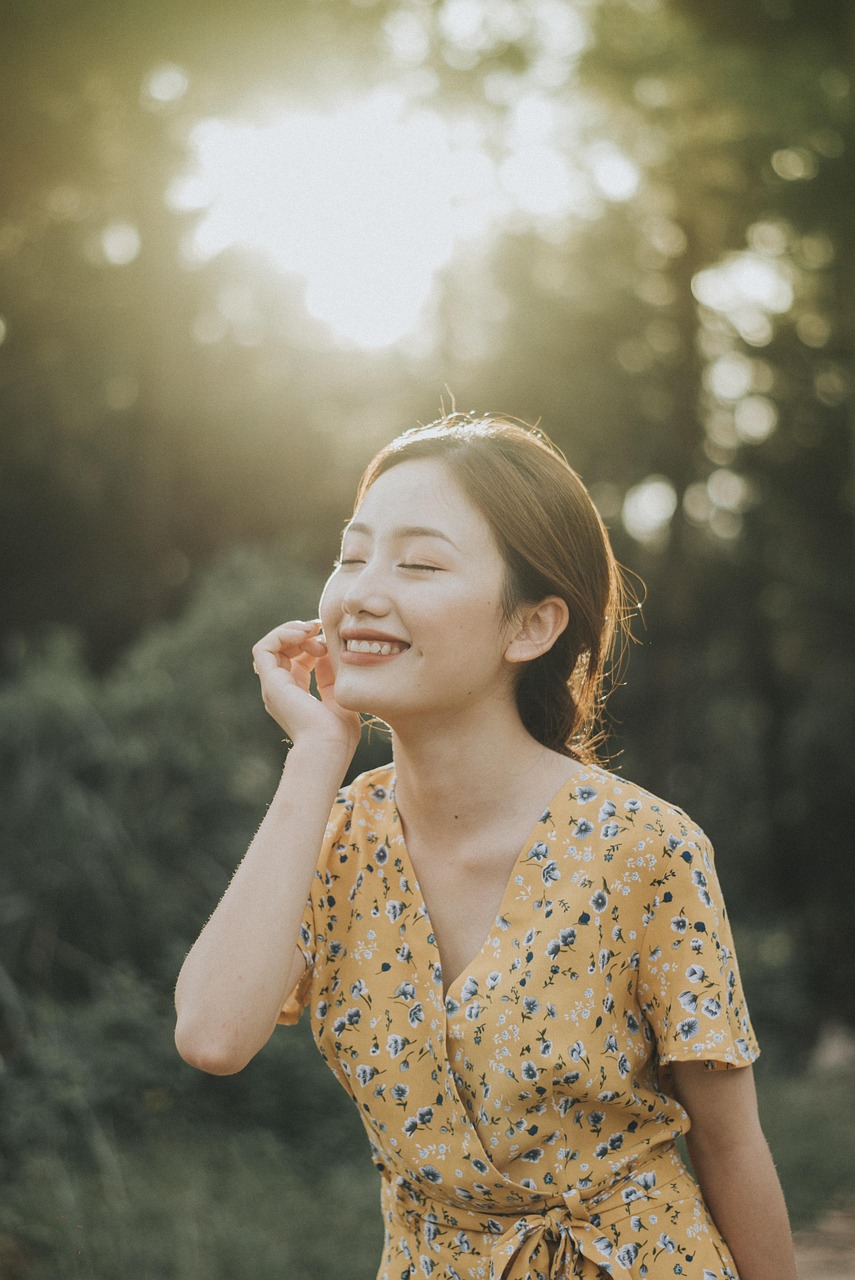
Benefits beyond Sleep: Mood, Focus, and Mental Health
The advantages of morning light extend far beyond the bedroom.
- Mood regulation
Sunlight boosts the brain’s production of serotonin, a neurotransmitter that stabilizes mood and promotes feelings of calm and well-being. This is why lack of sunlight is linked to seasonal affective disorder (SAD), a form of depression that strikes in the darker winter months. - Enhanced focus and energy
Morning light sharpens mental clarity and improves cognitive performance throughout the day. Research found that participants exposed to bright light in the morning performed better on memory and attention tasks compared to those who stayed indoors. - Long-term brain health
There’s growing evidence that disrupted circadian rhythms are linked to higher risks of cognitive decline and neurodegenerative diseases. By reinforcing the brain’s daily rhythm, morning light may offer a layer of protection for long-term brain health.
Simply put, light in the morning sets the tone for both your mental and physical performance throughout the day.
How to Get Healthy Light Exposure — Even Indoors
You don’t need hours of sunbathing to reap the benefits. Just 15–30 minutes of morning light exposure — ideally within the first hour of waking — is enough to synchronize your circadian rhythm.
So step outside within one to two hours of waking. Aim for at least 15–30 minutes of natural light exposure. For best results, avoid sunglasses during this time (though never stare directly at the sun).
Outdoors (Best Option)
- Step outside for a walk or have your coffee on the balcony.
- No sunglasses unless medically necessary — your eyes need to sense the full light spectrum (though never stare directly at the sun).
- Cloudy day? Don’t worry. Even on overcast mornings, outdoor light is far stronger than indoor bulbs.
Indoors (When Outdoors Isn’t Possible)
For those who live in cloudy climates or spend mornings in offices, alternatives exist, especially if your schedule or climate makes outdoor light tricky.
- Sit near east-facing windows in the morning. Though glass filters out some beneficial wavelengths, being close to natural light still helps.
- Use full-spectrum light therapy lamps that mimic natural sunlight.
- Keep indoor lighting bright in the morning and gradually dim it in the evening
- Use a light therapy box: Devices that emit 10,000 lux of full-spectrum light can mimic morning sunlight. Clinical trials confirm they’re effective for regulating circadian rhythms and lifting mood, especially during winter.
- Take breaks outdoors: Even short outdoor exposures add up throughout the day.
Common Mistakes to Avoid
Even small missteps can disrupt your light balance and undo the benefits of morning exposure.
- Relying only on artificial indoor light – Regular bulbs are too dim and lack the necessary spectrum to reset circadian rhythms effectively.
- Getting light too late in the day – Afternoon and evening exposure to bright or blue-rich light (from screens, for example) can actually delay melatonin release and push bedtime later.
- Skipping natural light on weekends – Sleeping in until noon and missing morning light disrupts circadian stability. Consistency matters.
- Skipping morning light but getting late-night exposure – Evening light, especially from phones and laptops, tricks the brain into thinking it’s still daytime, delaying melatonin release.
- Irregular schedules – Waking up at very different times on weekdays and weekends (“social jet lag”) weakens circadian alignment.
- Not balancing with darkness – Your rhythm needs contrast. Bright mornings should be paired with dim, screen-free evenings.
FAQs
How much morning light do I really need?
Most people benefit from 15–30 minutes outdoors in natural light. If you’re indoors, aim for 30–60 minutes near bright, natural light or a light therapy lamp. In darker months, a light therapy lamp used for 20–30 minutes can substitute.
What if I wake up before sunrise?
Indoor lamps with a sunrise simulation feature can help until natural daylight is available. Once the sun is up, step outside.
Is morning light still helpful for night owls?
Yes. In fact, morning light is one of the most effective ways to gradually shift a late sleep schedule earlier.
Can too much sunlight in the morning be harmful?
No, but sun safety matters. If exposure is longer than 30 minutes, apply sunscreen to protect skin without blocking the circadian benefits of light.
How soon after waking should I get light exposure?
Ideally, within 30–60 minutes of waking. This helps your circadian clock set melatonin for the right time later that night.
Can I wear sunglasses?
Sunglasses block the spectrum needed to signal your circadian clock. Skip them in the early morning unless you have a medical condition that requires eye protection.
What if I live in a place with long winters or little sunlight?
Light therapy lamps can be highly effective. Aim for 10,000 lux for about 20–30 minutes each morning.
Does light exposure help with jet lag?
Yes. Strategic morning light exposure can speed up circadian realignment when crossing time zones.
Does it work if it’s cloudy?
Yes. Cloudy outdoor light is still 10–20 times brighter than indoor lighting and effective for circadian alignment.
Can I get the same benefit through a window?
Windows filter out some wavelengths of light, so the effect is weaker. Outdoors is best, but sitting near a bright window is better than no exposure.
What about night shift workers?
Strategic light exposure (bright light during waking hours, blackout curtains during sleep) can help, though shift work is inherently disruptive to circadian rhythm.
Is artificial light therapy safe?
Yes, when used correctly. Light therapy lamps should provide 10,000 lux and be used in the morning. People with certain eye conditions should consult a doctor first.
The Bottom Line
The modern world offers endless wellness hacks, supplements, and gadgets. Yet sometimes, the best solution is as easy as stepping outside and letting the sun do its work.
Morning light is one of the simplest, most natural, and most effective tools for improving sleep and mental health. By strengthening circadian rhythms, boosting serotonin, and promoting healthy melatonin cycles, it sets the stage for better nights and brighter days.
For most people, just 10–30 minutes of outdoor light exposure within the first hour of waking can make the difference between restless nights and restorative sleep.
Morning light is more than just a pleasant ritual — it’s a biological reset button. By aligning your circadian rhythm, boosting serotonin, and priming melatonin it supports deeper sleep, steadier mood, sharper focus, and long-term health.
With sleep problems, fatigue, and mood disorders are on the rise, morning light is one of the simplest, most natural solutions available — free of side effects, free of cost, and accessible to almost everyone.
So tomorrow morning, before you reach for your coffee or your phone, step outside and let the light do its work. Think of it as nature’s free prescription for better health — available every single day, as long as you remember to step outside.