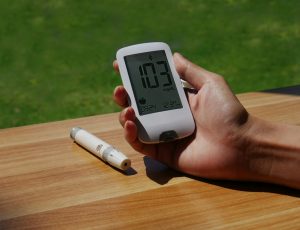

“Can a diabetes diet include desserts?”
This is a relevant question for diabetics, especially when we are right in the middle of the festival season.
The answer is a happy yes, with some adjustments.
Living with diabetes need not mean giving up sweets, particularly when our culture includes festivals and cuisines that excel in delicious dessert recipes.
Also, the truth is, when denied one’s favorite foods, it is natural to feel tempted to binge occasionally and that is not ideal for blood sugar control. Enjoying sweets on a diabetes diet comes with a few precautions. Be mindful of these and indulge without feeling guilty.
A note on carbohydrates and the diabetes diet
A healthy diabetes diet is about balance: knowing what you are eating based on your nutritional recommendations, carbohydrate, sugar and calorie content, making healthy choices and exercising portion control—all while maintaining a healthy weight.
The good news is, many Indian sweet shops considerately offer diabetes-friendly low-sugar sweets these days.
If, like me, you enjoy cooking, you can use diabetes-friendly substitutes. The advantage with home-made is there are no hidden ingredients.

Even though desserts seem taboo for those with diabetes, what matters is the total number of carbohydrates in a meal or snack than the total amount of sugar. Basically, dessert can be part of your diet, but with some adjustments. Just keep these in mind before you reach for those sweets.
- Should you go for dessert after dinner, remember to ensure that you don’t eat carbohydrates in your meal. Remember that even if you swap your sweet potato for that delicious dessert to keep your carbs balanced, you will miss out on the fiber and other nutrients that sweet potato gives you. Avoid anything that’s made from refined flour or deep fried. Also, don’t make dessert a staple part of your meal—enjoy it occasionally.
- Portion control is another important point. Limit carbs to 45-60 grams per meal and keep track of this. The problem with baked goods and other sweets is even one piece exceeds that quota. So take smaller portions. This way you will enjoy your dessert and also stay on track. If you are ordering food, ask for a mini or kid-size portion.
- Be mindful of artificial sweeteners. While these are touted as zero calorie and many desserts use these for sweetening, because they are far sweeter than sugar, they are likely to increase your craving for sweets and that’s the last thing you need. Artificial sweeteners also interfere with your gut bacteria, which in turn, affects the body’s ability to regular blood sugar.
- Consider reaching for a fruit in lieu of a sweet—good for both diabetics and non-diabetics. Fruits are filling, provide you with nutritious fiber, vitamins and minerals. Fiber is important for stabilizing blood sugar and managing cholesterol.
Of course it is tempting to enjoy yourself especially when it is festival season; and eating a healthier and portion controlled sweet can definitely be part of the diabetes diet. The key to blood sugar control is to tweak your treats so that they can be part of your diet. Always talk to your doctor about any changes you make to your diet.
For more information and tips about how to include desserts in the diabetes diet, read my post Making Dessert Work in a Diabetes Diet – in this post, I discuss:
- artificial sweeteners, their impact on blood sugar levels
- how to take advantage of diabetes-friendly substitutes
- some popular Indian dessert recipes that can be “configured” for the diabetes diet.
I’ve also included my favorite diabetes dessert: this apple-and-cinnamon recipe is easy to make, low in calories and delicious without added sugar.
You may think a diabetic diet is stripped of anything sweet, but that couldn’t be farther from reality. While you do need to be more considerate of what you eat, you certainly don’t have to give up dessert to accommodate your diagnosis. Instead, it’s all about picking better options and exploring new food for diabetes management. And in the process, you not only become healthier, but you expand the list of what you enjoy eating.
Let’s start exploring.
Carbs Are a Concern
The first step is to consider what you actually need to avoid, as sugar isn’t the only thing that affects your sugar levels. Carbohydrate control in general is crucial for diabetes management. Most food labels with “carbohydrates” include sugar, complex carbohydrates and fibre. Added sugar can raise blood sugar levels and hence, should be avoided in a diabetes diet. Desserts, such as pies, cakes, cookies, candy, puddings and ice cream contain simple, added sugars: dextrose, fructose, lactose, malt syrup, corn syrup, sucrose, honey, agave nectar or glucose. Even a tiny serving of these sugars can, unfortunately, raise your blood sugar levels.
Artificial sweetener isn’t a perfect solution, either. Some desserts contain artificial sweeteners and sugar alcohols. While sugar substitutes may cut calories and carbohydrates, research shows they can alter healthy gut bacteria that affect your hunger and blood sugar regulation. Moreover, because artificial sweeteners are far sweeter than sugar, you’ll most likely end up craving more sweets.
So, what’s a safer bet? Cut back on the carbohydrates in your meal to accommodate dessert, and then, choose a dessert that won’t significantly disrupt your glucose management.
Ingredient Swaps Work Well for Diabetes Management
Indian desserts span an incredibly delicious range, with milk sweets, burfis and laddus leading the pack. Many Indian sweet shops offer low-sugar sweets these days, though as you know, sugar is not the only carb concern.
The advantage with homemade desserts, however, is there are no hidden ingredients. These diabetes-friendly swaps can make the occasional dessert an acceptable part of your diabetes management:
- · Substitute full-fat milk with low-fat milk.
- · Replace sugar with natural, low-GI sweeteners such as jaggery, dates, figs, raw honey, fruits and cinnamon.
- · Dress desserts with fruits rich in vitamins, minerals and fibre to manage blood sugar and cholesterol.
- · Opt for parfaits with diabetes-friendly fruits such as apples, papaya, guava, pomegranates, grapes, blueberries, strawberries, watermelon, cherries and oranges.
- · If craving cake, consider grated pumpkin, sweet potato and oat flour.
A Diabetic Take on Popular Desserts
Popular desserts can be easily reconfigured into the diabetes-friendly version. Try some of these:
Phirni: A delicious pudding typically made with rice and sugar can be made low-calorie with oats, apple and jaggery, which is rich in antioxidants, selenium and zinc. Sprinkle chopped almonds and walnuts for some healthy fat.
Date and nut burfi: Make it the perfect fibre-rich food for diabetes without raising your blood sugar by using dates and nuts.
Rabdi: This mouth-watering, full-fat milk dessert can be made with low-fat milk. Thicken it with unpeeled, sweet apples rich in dietary fibre, antioxidants, flavonoids and phytonutrients that prevent diabetes complications. Flavour with cardamom and nutmeg.
Smoothies: Besides crushing dessert cravings, smoothies also make a great snack between meals. Try a smoothie with jamun and figs, which can help manage diabetes. Sweeten with dates.
Gajar ka halwa: Another popular favourite is the carrot halwa. Instead of using artificial sweeteners and sugar, choose dates or jaggery.
Laddus: Laddus, a staple in most households, can be made with ingredients like roasted broken wheat, flax seeds, finger millet or flour made from ragi, chickpea, jowar or bajra, plus coconut, peanuts and sesame seeds. Season it with cardamom and sweeten with jaggery or dates. Millets are rich in fibre, minerals and protein and are an ideal food for diabetes.
Basundi: Use low-fat milk or paneer, cardamom, a sugar substitute like stevia, freshly grated apple, almonds and pistachios.
Kheer: Whip up this traditional, richly textured sweet with grated bottle gourd, such as doodhi or lauki, and skimmed milk, jaggery, cardamom powder and chia seeds.
Malpua: Make this yummy pancake with ragi, whole wheat or oats atta. This dessert is usually deep-fried, but it can be tossed on a nonstick pan to cut down the oil. Top with date syrup.
A Diabetes Dessert All-Star
As someone with diabetes, this is one of my personal dessert favourites. This apple-and-cinnamon recipe is easy to make, low in calories and delicious without added sugar.
Apple brings natural sugar along with dietary fibre, and the cinnamon may improve your blood sugar regulation and insulin sensitivity. Using dates as a sweetener adds dietary fibre, iron, antioxidants, and other nutrients, such as vitamins, potassium, and magnesium, all of which may improve your body’s metabolism.
You will need:
- 4 apples, cored and sliced with the peel on
- 1 cup water
- 2 teaspoons cinnamon powder
- 1 cup whole-wheat flour or oat flour
- ¼ cup chopped dates
- 1 teaspoon baking powder
- ¼ cup cooking oil of your choice (coconut oil tastes great)
- ½ cup buttermilk
To make it, preheat your oven to 180ºC. In a saucepan, combine the apples, water, cinnamon and dates and cook over medium heat for about 10 minutes until the apples are soft, making the mixture thick. Pour the mixture into a baking dish. Combine the wheat or oat flour, baking powder and oil, and mix well. Add the buttermilk to make it moist. Now add this flour mix over the apple mixture. Bake for about 20 minutes or until the topping turns golden brown. Enjoy warm.
Relish your desserts guilt-free with an eye on portions to keep your blood sugar levels under control. Celebrate festivals with family and friends and satisfy that sweet tooth, guilt-free.
Stay Healthy!