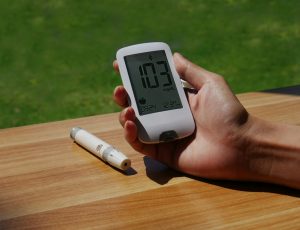

Living with diabetes—type 1 or type 2—can often seem like a challenge. Traveling with diabetes, regardless of whether it is by air, road or sea, it is normal to feel a little anxious. With some careful planning and self-management tips for diabetes care, it can be an enjoyable experience.
Good planning before taking a trip is important for everyone, but more so when you have diabetes. Things to consider include airline regulations, a well-timed itinerary, in-flight needs and being prepared for that ‘what-if’ situation. For people
with type 1 diabetes there are even more considerations to be aware of.
Traveling with diabetes can be enjoyable
Planning should ideally be weeks before the trip
Your planning should revolve around
- Making a detailed itinerary with dates, departure and arrival times, flight duration and time differences if traveling across time zones. This will help decide testing frequencies and meal plans
- Taking to your physician about how to manage your blood sugar levels in various situations
- Knowing what to pack—medicines and supplies
- If traveling by air, airport security regulations
- Learning to manage blood sugar levels while traveling
- Monitoring your condition in a new location
Research your destination before you pack
The first step to traveling with diabetes is to start by doing a little research on your destination, so that you have an idea about how much medicine and other supplies you need to pack, what healthcare services are available there, and options for food you can eat safely.
I generally find that it is easiest to work with lists as they can be printed out for quick reference.
Make checklists to help you to have a safe, fun and hassle-free trip, whether travelling by plane, train or motor vehicle.
While traveling with diabetes, remember the following
Once you reach your destination,
- Your blood sugar may not be in target range initially, but your body will probably adjust to it in a few days. Check your blood sugar often and treat highs or lows as per your doctor’s instructions.
- If you plan to be more active than usual, check your blood sugar before and after and make adjustments to food, activity, and insulin as needed.
- Food is a huge highlight (and temptation!) when on a trip. Sure you want to sample the local cuisine. But you are better off making healthier choices or pick from a low-carb menu – or order something tasty that fits in your meal plan.
- If the weather is too hot, don’t overdo physical activity during the heat of the day. Avoid getting a sunburn and don’t go barefoot, not even on the beach.
- High temperatures can change how your body uses insulin. You may need to test your blood sugar more often and adjust your insulin dose and what you eat and drink.
- You may not be able to find everything you need to manage your diabetes away from home, especially if you are traveling abroad. It’s a good idea to learn some useful phrases, such as “I have diabetes” and “where is the nearest pharmacy?”
- If your vacation is in the great outdoors, bring wet wipes so you can clean your hands before you check your blood sugar.
So maybe diabetes can make everyday life and travel more challenging, but it doesn’t have to keep you close to home. Be brave. Enjoy life. The more you plan ahead, the more you’ll be able to relax and enjoy all the exciting experiences of your trip.
Read my post Diabetes Care and Air Travel: Have You Packed Well?
Learn more about
- how to plan in advance
- what to pack
- checklists for what you can put in your cabin baggage
- some ideas for diabetes-friendly travel snacks
- what to do at the airport
- how to manage blood glucose while traveling
- and more.
The thought of an upcoming trip always puts a skip in my step. The weeks leading up to the trip are spent daydreaming about all the excitement that awaits you. As exciting as the idea of the trip may be, the events leading up to it are my least favourite – planning, prepping and packing. These tasks, even in their standard form, are pretty tedious; throw in managing diabetes care with travel and it has the potential to turn the process into a bit of a stressor.
But fret not! Living with diabetes is all about making smart choices. We’ve got a couple of pointers that might soothe your prepping angst. With these tips, you should be able to tackle air travel with ease and focus on making the most of your trip.
Continue reading Diabetes Care and Air Travel: Have You Packed Well?
We’ve got a couple of pointers that might soothe your prepping angst. With these tips, you should be able to tackle air travel with ease and focus on making the most of your trip.
Plan in Advance
Ideally, you want to start planning a couple of weeks before your scheduled date of travel. Depending on your destination, you may need to do some research on the local healthcare services and food options available. It may be a good idea to throw in that traveller’s medical insurance policy, too.
Make a detailed itinerary with dates, departure and arrival times, flight durations and time differences if travelling across time zones. Then, talk to your doctor about how these factors may affect your testing frequencies and meal plans. If suggested by your doctor, undergo a thorough pretravel health checkup to ensure your blood sugar levels are under control.
What to Pack
Your medication and supplies will be allowed unhindered in-flight, according to the Bureau of Civil Aviation in India, so pack them in your carry-on bag. Also, carry a copy of your doctor’s letter explaining your condition. Juice, insulin and medication in gel or liquid forms exceeding 100 ml are allowed through security if you have diabetes. You can also bring lancets with a blood glucose meter, glucagon kits and insulin delivery devices with insulin, though they must all be in their original, labelled packages.
Here’s a checklist of what you can put in your cabin luggage:
- Copies of your doctor’s letter explaining you have diabetes and listing your medication, supplies and dosage
- Diabetes identity card
- Health insurance papers
- Twice your usual amount of medication or insulin (never check in insulin) and supplies with original labels
- Instruction manuals and extra batteries if you use a device that needs them
- Emergency contact list
- Glucose tablets, urine ketone testing strips and a glucagon emergency kit
- Alcohol swabs or hand sanitizer
- Diabetes-friendly snacks
- Water bottle
Always keep your carry-on bag with you.
Diabetes-Friendly Travel Snacks
Perhaps the number one concern for those living with diabetes is what snacks to pack. Look for a balance of carbohydrates, proteins and healthy fats to maintain blood sugar levels. You should carry an emergency snack with you regardless of how long your trip may be. Fruits, chopped vegetables and sandwiches work well when managing flight delays or even in-flight meals.
Some other options are:
- Nut butters or unsalted roasted nuts or seeds
- Low-fat cheese
- Apples
- Oatmeal cookies or dry oatmeal, which cooks quickly in hot water available on the plane
- Dark chocolate
- Nutrition bars
- Khakras
Get creative and combine two or more of these for a filling snack that can get you through longer layovers and other wait times.
At the Airport
Arrive at the airport at least three hours before your flight to cover security scanning delays. Stay active by walking around at the airport. When seated, stretch and move your ankles in circles for light exercise to keep up circulation.
You should double check with your airline if you get through security without being scanned. If you can, when you reach security, request a different type of check if you’re wearing a pump or continuous glucose monitor. You should never expose these devices to X-ray equipment and full-body scanners. All other supplies and medication can pass through the X-ray machines safely, so feel free to put them on the belt.
Blood Glucose Control While Travelling
According to research, changes in altitude affect some glucose meters and blood glucose control.
At high altitudes, reduced oxygen can lead to errors in readings and medication dosages, so calibrate your meters before takeoff or after landing, not in-flight. Altitudes can also raise blood sugar and insulin resistance, which can lead to an emergency called ketoacidosis. Make sure to discuss this condition with your doctor before you travel.
Once you land and during your stay, test your blood sugar levels often. The new location, food and change in sleeping habits and activity levels can all affect blood sugar control. Regular testing will help you adjust your medication and food intake as needed, so it may not be a bad idea to set an alarm. And when you head out on excursions, don’t forget your diabetes bag. You may also find it useful to maintain a journal. Note what went well, what could be improved and what questions you still have for your doctor. After all, its all these little details that make the big picture.
Living with diabetes is about being prepared to manage your diabetes care. Take the right steps to enjoy your trip and then, have fun!
Disclaimer: This publication/editorial/article is meant for awareness/educational purposes and does not constitute or imply an endorsement, sponsorship or recommendation of any Products. Please consult your doctor/healthcare practitioner before starting any diet, medication or exercise.
Are you nervous about traveling with diabetes?