

We’ve long known that ultra-processed foods (UPFs) aren’t good for our waistlines or heart health. But in recent years, research has revealed something even more concerning: what we eat directly affects the brain. From mood swings and brain fog to higher risks of depression and dementia, UPFs are increasingly being linked to mental health and cognitive decline.
Understanding this hidden connection can help you make better food choices — not just for your body, but for your mind.
What Counts as an Ultra-Processed Food?
Not all processed foods are bad. Washing, freezing, or pasteurizing foods are forms of processing that can make food safe and convenient. The real problem lies with ultra-processed foods — items that are heavily industrially manufactured, loaded with additives, and often far removed from their original ingredients.
According to the NOVA food classification system, UPFs typically:
- Contain five or more ingredients
- Include artificial flavors, colorings, preservatives, or sweeteners
- Are designed to be “hyper-palatable” — salty, sweet, or fatty in ways that hijack cravings
- Have little resemblance to their natural sources
Examples of UPFs:
- Sugary breakfast cereals
- Packaged snacks and chips
- Instant noodles
- Soft drinks and energy drinks
- Candy, cookies, pastries
- Processed meats like hot dogs and chicken nuggets
- Ready-to-eat frozen meals
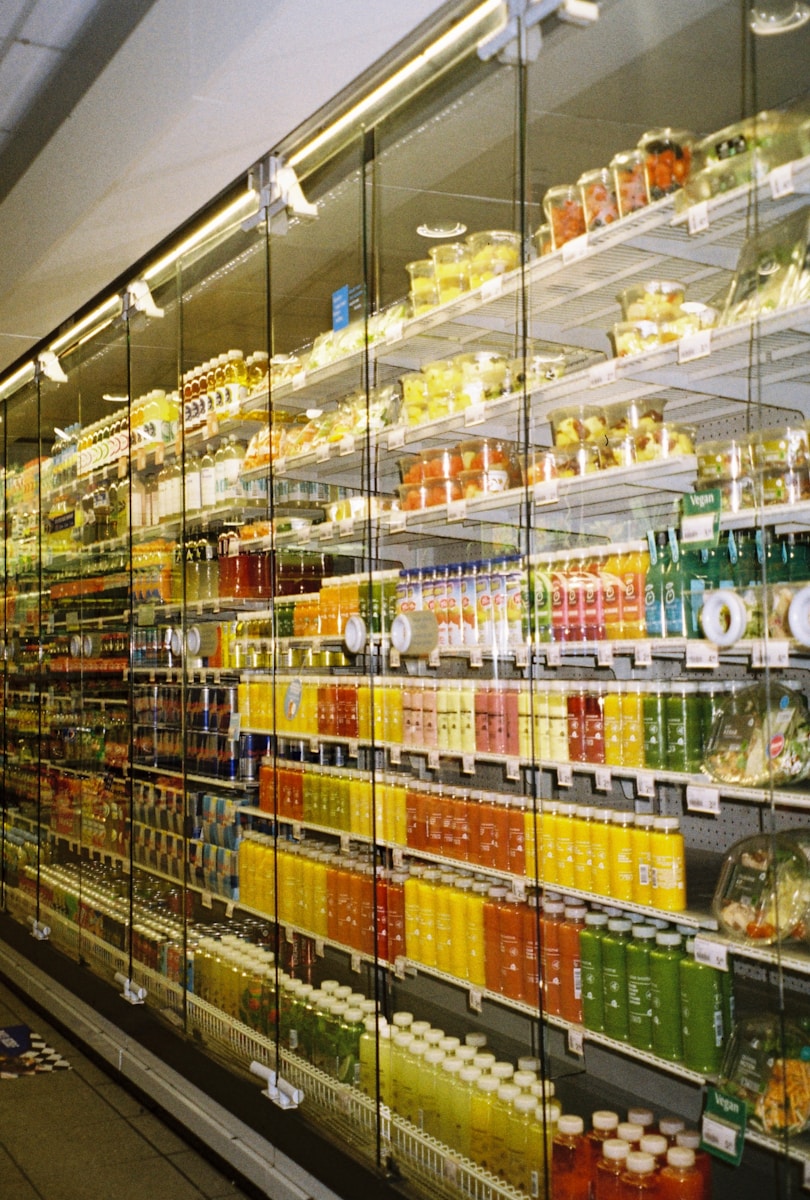
In short, if it comes in a shiny package and lasts forever on a shelf, it’s probably ultra-processed.
How Ultra-Processed Foods Impact the Brain
The brain is an energy-hungry organ. Although it makes up only 2% of body weight, it consumes about 20% of daily calories. But it doesn’t just need calories — it needs nutrient-dense calories. Ultra-processed foods, with their low nutrient value and high levels of sugar, fat, and additives, disrupt several systems critical to brain health.
1. Inflammation
UPFs promote chronic, low-grade inflammation in the body. High sugar and unhealthy fats increase inflammatory markers, which can cross the blood-brain barrier and damage brain tissue. Inflammation has been directly linked to depression and cognitive decline.
2. Gut-Brain Axis Disruption
Your gut is home to trillions of microbes that produce neurotransmitters like serotonin and GABA. Diets high in UPFs reduce microbial diversity and promote harmful bacteria, which can impair mood and stress resilience. A study highlights how processed foods alter the gut microbiome in ways that negatively affect the brain.
3. Neurotransmitter Imbalance
Excess sugar in UPFs causes rapid spikes and crashes in blood glucose, affecting dopamine and serotonin regulation. This contributes to irritability, poor focus, and cravings — creating a vicious cycle.
4. Structural Brain Changes
Long-term consumption of UPFs has been associated with reduced hippocampal volume (the brain area linked to memory and learning). Research found that people who ate more UPFs had a higher risk of cognitive decline and dementia.
Links Between UPFs and Mental Health
The evidence is growing — diets high in ultra-processed foods don’t just harm physical health, they deeply influence mental well-being.
- UPFs and Depression: A study found that people consuming more UPFs had significantly higher risks of developing depression.
- Anxiety: Processed diets are associated with increased anxiety symptoms, likely due to inflammation and neurotransmitter disruptions.
- Cognitive decline & dementia: Higher UPF consumption is linked to faster rates of global cognitive decline and executive function impairment.
- Brain aging: Diets rich in antioxidants and omega-3 fatty acids protect against brain aging, while UPFs accelerate oxidative stress and cellular damage.
In simple terms: what you eat today shapes how your brain will function years from now.
Smart Swaps and Practical Reduction Strategies
The good news? You don’t have to overhaul your diet overnight. Even small, consistent swaps can reduce UPF intake and improve brain health.
Swap Examples
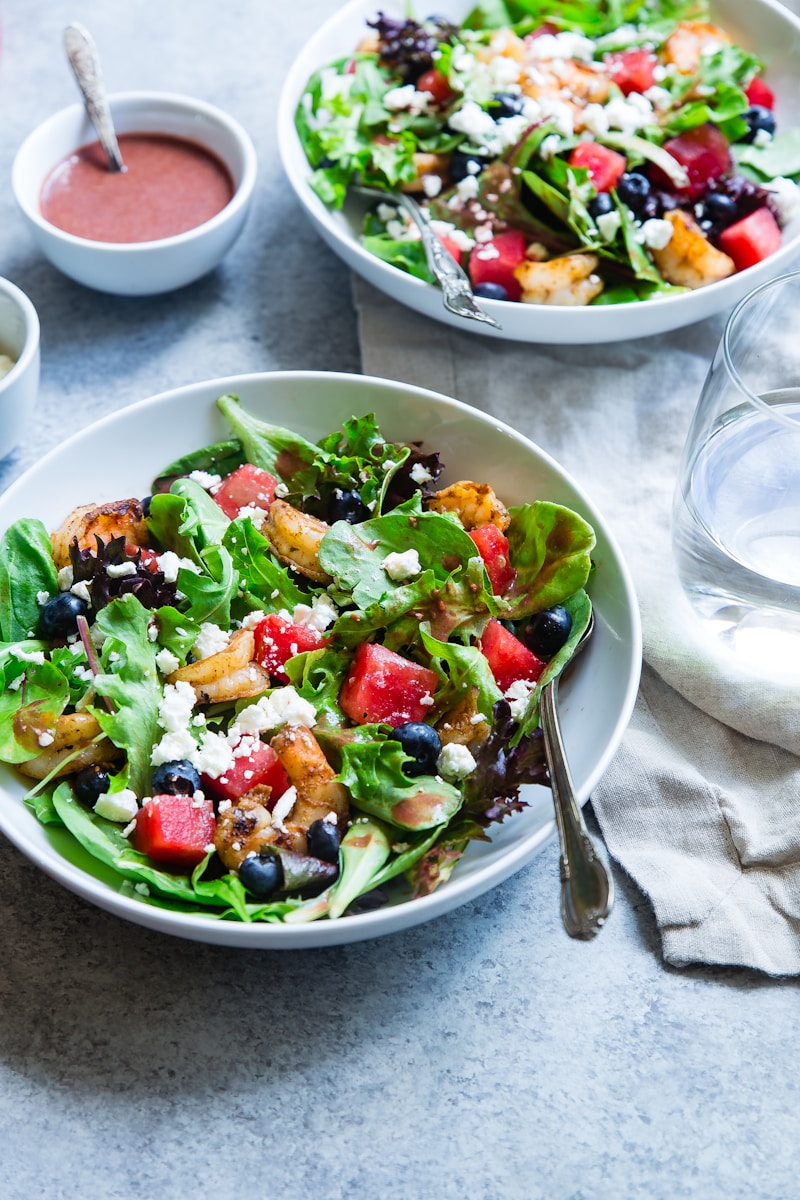
- Breakfast: Replace sugary cereal with overnight oats topped with fruit and nuts.
- Snacks: Trade chips for air-popped popcorn, roasted chickpeas, or a handful of seeds.
- Lunch/Dinner: Replace instant noodles with whole-grain pasta and sautéed veggies.
- Drinks: Swap sodas with sparkling water infused with lemon or berries.
- Dessert: Instead of packaged cookies, try dark chocolate with almonds or homemade yogurt parfaits.
Practical Strategies
- Shop the perimeter of grocery stores — where fresh produce, dairy, and proteins are usually found.
- Cook more at home — even simple meals reduce dependence on packaged foods.
- Check labels — if the ingredient list is long and hard to pronounce, it’s likely ultra-processed.
- Plan ahead — prep snacks like boiled eggs, chopped veggies, or hummus so you’re less tempted by packaged options.
- Follow the 80/20 rule — aim for mostly whole foods but allow occasional treats to stay balanced.
How to Avoid Feeling Deprived
One reason people struggle to cut back on UPFs is the fear of giving up convenience and pleasure. But reducing UPFs doesn’t have to mean living on bland food.
- Flavor naturally — herbs, spices, citrus zest, and garlic can make simple meals taste amazing.
- Batch cook favorites — homemade versions of granola bars, soups, or sauces can replace packaged ones.
- Find comfort in whole-food treats — baked sweet potato fries, homemade smoothies, or fruit dipped in dark chocolate.
- Make it gradual — swap one meal or snack at a time instead of trying to “quit” UPFs all at once.
The key is to add in nutrient-dense foods rather than just focusing on what you’re cutting out.
FAQs About Ultra-Processed Foods
- Are all processed foods harmful?
No. Canned beans, frozen vegetables, or pasteurized milk are processed but still healthy. The concern is with ultra-processed foods — those with additives and engineered ingredients. - How much UPF is too much?
There’s no exact number, but research shows risks increase when UPFs make up more than 20% of daily calories. - Do UPFs cause depression directly?
Not directly — but they trigger inflammation, gut imbalance, and blood sugar swings that contribute to depression and anxiety risk. - Can I reverse the damage from years of eating UPFs?
Yes. Studies show that switching to a diet rich in whole foods, omega-3s, and antioxidants can improve brain function and lower inflammation within weeks. - Are plant-based meat alternatives considered ultra-processed?
Most are. While they can be better for the environment, many plant-based meat substitutes are heavily processed. Opt for whole legumes, tofu, or tempeh more often.
The Bottom Line
Ultra-processed foods are designed for convenience and taste — but they come with hidden costs to your brain. From mood disorders to memory loss, the evidence is clear: your food choices shape your mental clarity, emotional balance, and long-term brain health.
The shift doesn’t require perfection. By swapping out UPFs with whole, nutrient-rich foods most of the time, you give your brain the fuel it needs to stay sharp, resilient, and balanced for years to come.
So the next time you reach for a packaged snack, pause and ask: Is this feeding my brain — or slowly draining it?