
- Why triglycerides matter more than you think
- Decoding your lab report: what the numbers mean
- The morning: stabilizing early
- Breakfast
- The protein power-up
- The liquid rule
- My post-meal secret
- Mid-morning snack
- What do I have for lunch?
- A word of caution about hidden sugars
- Managing evening carb cravings
- My evening walk
- What about alcohol?
- What I eat for dinner
- Late-night snacking
- Do stress and sleep affect lipids?
- The role of supplements: what actually helps?
- Common myths about lowering high triglycerides
- Simple food swaps for a lipid-friendly kitchen
- Questions I’ve asked my doctor
- What I’ve learned
When it comes to lowering high triglycerides, three changes do most of the work: eating less sugar, cutting back on alcohol, and eating more fiber. Add daily movement, and you have the routine I’ve built my days around.
When I started my health website back in 2003, the internet was a different place. The advice for high triglycerides was always the same: “Eat less fat and exercise more.” But after 23 years of researching health and talking to readers and medical professionals, I’ve learned that the “textbook” approach is often too vague for real life.
If you’ve just received a lab report with “high” or “borderline” numbers, it’s easy to feel overwhelmed. I’ve been there. I’ve been living with type 2 diabetes for 16 years, which means every meal and walk in my day does double duty: keeping my blood sugar steady and my triglycerides down. Today, I want to set the clinical definitions aside and share what a practical, 24-hour routine looks like when you’re serious about managing your lipid profile.
When I was diagnosed, my HbA1c was 11.4 (normal is below 5.7), and my triglycerides were through the roof. I changed my lifestyle overnight, especially my diet and exercise. Today, my HbA1c is 6.8. I’m still a work in progress, and life is less than perfect, but that’s a long way from where I started.
I want to be upfront about medication, too. I take oral medication for diabetes, which has been tapered over the years. I also take medication for cholesterol because I’m genetically hyperlipidemic, and with it, my numbers are under control. Medication does its part. The daily routine below is my part. If you’re on medication, please don’t change or stop it without talking to your doctor.
Why triglycerides matter more than you think
People tend to focus on LDL (the “bad” cholesterol), but triglycerides are the actual fat circulating in your blood. When they are high, it often means your body is struggling to process the energy (calories) you’re taking in. Over time, high levels can lead to the hardening of arteries or even pancreatitis.
The good news? Unlike some genetic cholesterol issues, triglycerides often respond very quickly to lifestyle changes. In fact, they’re among the most changeable numbers on your blood test.
Decoding your lab report: what the numbers mean
Before we dive into the routine, let’s look at the benchmarks. Most labs categorize triglyceride levels as follows:
- Normal: Less than 150 milligrams per deciliter (mg/dL).
- Borderline high: 150 to 199 mg/dL.
- High: 200 to 499 mg/dL.
- Very high: 500 mg/dL or higher.
If you are in the “High” category, don’t panic. Think of it as your body’s signal that it’s time to adjust the fuel you give it through the day.
This is how my routine looks:
The morning: stabilizing early
Triglycerides are highly sensitive to sugar and refined carbs, and so is my blood sugar. My morning goal is to avoid the spike-and-crash cycle that sends my glucose up and tells my liver to start storing fat. Get the morning right, and both numbers benefit.
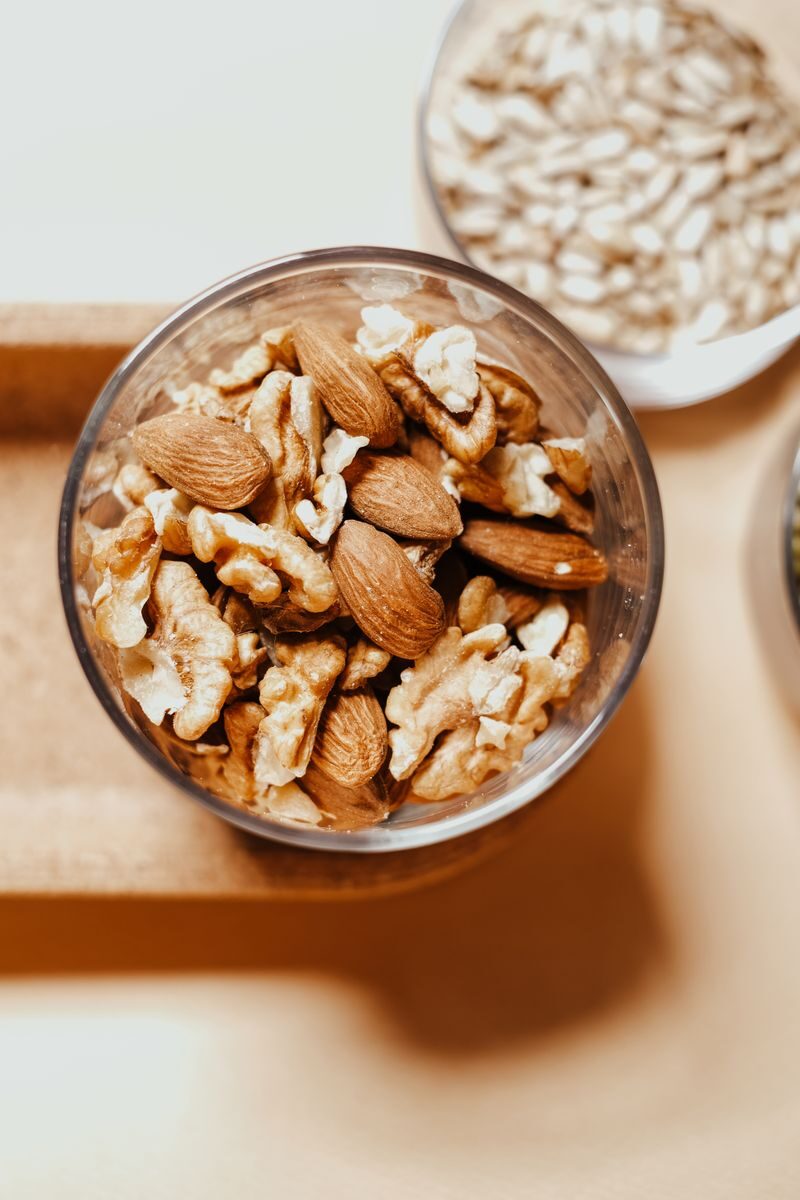
I start my day with a teaspoon of fenugreek seeds soaked overnight in a glass of water. Some studies suggest fenugreek helps with blood sugar control. I also eat 6 almonds and 2 walnuts soaked overnight. Almonds give me fiber and heart-healthy fats, and walnuts add plant-based Omega-3s. Plant Omega-3s work more gently than fish oil, but along with the fiber, they support healthier triglyceride levels.
Breakfast
I skip sugary cereals and white toast. Instead, I have steel-cut oats topped with walnuts, a dash of cinnamon, and 2 teaspoons of flaxseed powder.
- Why oats? Their soluble fiber helps lower cholesterol and slows how quickly sugar reaches my blood.
- Why walnuts? A few more on top of my soaked ones add Omega-3s and help keep me full.
- Why cinnamon? Some studies suggest it helps with insulin sensitivity, which matters when you’re managing blood sugar.
- Why flaxseed powder? It adds plant-based Omega-3s and more soluble fiber.
The protein power-up
Some days, instead of the oats, I have 2 egg whites with spinach, tomatoes, and bell peppers. Protein in the morning curbs spikes in ghrelin, the hunger hormone, which can lead to snacking on simple carbs later in the day.
The liquid rule
Skipping fruit juice is easy for me because I don’t like it anyway. Juice is a concentrated fructose bomb, and fructose is a major driver of triglyceride production in the liver. I have unsweetened black coffee instead. If you must use a sweetener, use a tiny bit of monk fruit or stevia.
My post-meal secret
One of the most overlooked habits for lipid health isn’t what you eat—it’s what you do right after eating.
The 10-minute walk
After every meal, I make it a non-negotiable rule to walk for 10 minutes. This isn’t a workout; think of it as metabolic maintenance. For me, it’s also one of the simplest ways to blunt the blood sugar rise after a meal. Research shows that light movement after a meal helps the body process fats and sugars more efficiently before they are converted into triglycerides.
Mid-morning snack

Between breakfast and lunch, I have a mid-morning snack. Usually a medium-sized apple or a cup of pomegranate.
What do I have for lunch?
I follow the “Half-Plate Rule.”
- 50% Fiber: Colorful vegetables like broccoli, peppers, or leafy greens, and anything that’s in season.
- 25% Lean Protein: Usually lentils. Grilled fish or skinless chicken breast work well too.
- 25% Complex Carbs: Millets, quinoa, brown rice, or even a small sweet potato.
Watch out for “low-fat” salad dressings. When companies take out the fat, they usually add sugar to keep the flavor. I stick to balsamic vinegar or lemon juice and extra virgin olive oil.
Managing evening carb cravings
Evenings are when most of us struggle with snacking. It’s that time of day when we are tempted by refined carbs—the very things the liver converts into triglycerides overnight.
Here’s what helps me: I plan for it. Around 5 p.m., before the hunger hits me, I have a small snack that combines protein and fiber: a handful of roasted chana, a bowl of sprouts salad, or cucumber and carrot sticks with a spoonful of hummus. A cup of herbal tea also helps me get past the urge to reach for biscuits. And I simply don’t keep packaged snacks at home. If they aren’t in the kitchen, I can’t eat them!
My evening walk
Around 6 p.m., I head out for a brisk walk of an hour or more. My goal is 6 kilometers a day, which feels comfortable. When I get home, before I start dinner, I have a glass of lemon water, which some small studies suggest may help soften blood sugar rises after a meal.
What about alcohol?
Evening is also when many people unwind with a drink. I don’t drink, but alcohol is a major trigger for high triglycerides. Your liver has to process it, and even a single drink can cause a temporary spike in levels. If your numbers are high, try a “Dry Month” to see how your labs respond.
What I eat for dinner
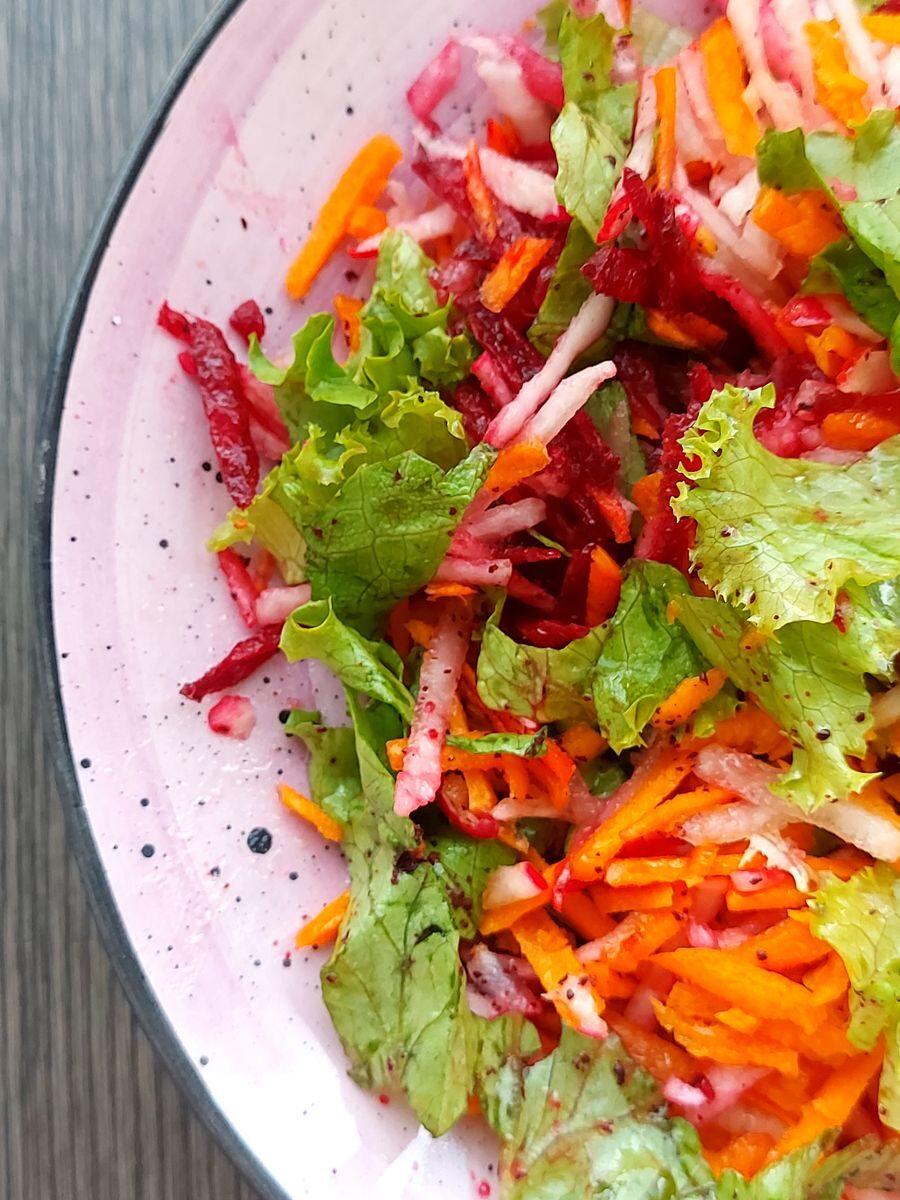
I keep dinner light and high in fiber, with a little good fat. Usually, it’s a mixed salad of shredded cabbage, carrot, bell peppers, and mung sprouts, dressed with lemon juice, a teaspoon of extra virgin olive oil, and a pinch of pepper, then topped with a spoonful of pumpkin or flax seeds. Other nights, I have a bowl of bean-based soup that keeps me full without the heavy starch. Lentils and beans are a double win: they give me protein and plenty of fiber, and they’re gentle on my blood sugar.
Late-night snacking
If I’m craving something sweet, I reach for a small square of dark chocolate (at least 70% cacao) or a few almonds. Either one satisfies the craving without sending my numbers into a tailspin.
Do stress and sleep affect lipids?
This is the part I’m still working on. My doctor keeps reminding me that it’s not just about the fork. Stress and poor sleep both push blood sugar up, and higher blood sugar eventually means higher triglycerides.
Sleep 7-8 hours a night. Too little sleep messes with your insulin response, and for anyone managing blood sugar, that makes everything harder.
Manage stress. Even five minutes of deep breathing can lower your heart rate and help stabilize your metabolism.
The role of supplements: what actually helps?
Food does most of the work, but certain supplements can give you an edge. Always consult your doctor if you are considering these.
- Fish Oil (Omega-3s): High-dose fish oil is one of the most proven ways to lower triglycerides. Look for supplements with high EPA and DHA content.
- Fiber Supplements: If you struggle to get enough fiber from food, a psyllium husk supplement can help. It’s best known for lowering cholesterol and steadying blood sugar; its effect on triglycerides is more modest.
- Niacin (Vitamin B3): Doctors have used niacin for decades to lower triglycerides and improve overall lipid levels. Take it only under medical supervision. High doses can cause flushing (a hot, red, itchy feeling in the skin) and other side effects.
- Curcumin: Found in turmeric, curcumin helps reduce inflammation, which tends to run high in people with metabolic issues.
Common myths about lowering high triglycerides
Advice comes at you from all directions, and not all of it is accurate. Here are a few myths worth ignoring.
- “I should stop eating all fat”: False! Your body needs healthy fats, like those in nuts, seeds, and olive oil. The real culprits are usually refined sugar and white flour.
- “Honey is better than sugar”: For your triglycerides, your liver sees honey, agave, and white sugar almost exactly the same way. The same goes for your blood sugar.
- “I need to lose 20 kg to see a difference”: Actually, losing even 5% of your body weight can lead to a significant drop in triglyceride levels.
Simple food swaps for a lipid-friendly kitchen
- Swap white rice for millets, brown rice, cauliflower rice, or quinoa.
- Swap whole milk for unsweetened almond or soy milk. I prefer to skip the milk altogether!
- Swap soda for plain water with a squeeze of fresh lime.
- Swap potato chips for air-popped popcorn or roasted chickpeas.
Questions I’ve asked my doctor
Over the years, these are the questions I kept coming back to.
How fast can I lower my triglycerides?
Faster than you might expect. Unlike cholesterol, which can take months to shift, triglycerides respond quickly to lifestyle changes. On a low-sugar, low-alcohol, high-fiber diet, many people see a significant drop in as little as two to four weeks. Consistency is what keeps those numbers down long-term.
Can high triglycerides cause symptoms?
Usually, high triglycerides do not cause noticeable symptoms. This is why they are often called a “silent” health risk. In extreme cases (levels over 500 mg/dL), some people develop skin lesions called xanthomas or experience abdominal pain due to inflammation of the pancreas (pancreatitis). Regular blood work is the only way to truly know your status.
Is coffee bad for triglycerides?
This one mattered to me because I love my coffee. Plain black coffee or coffee with a splash of unsweetened milk is generally fine. However, “fancy” coffee drinks loaded with syrups, whipped cream, and sugar are major contributors to high triglycerides. Also, unfiltered coffee (like French press or boiled coffee) contains cafestol, which can slightly raise lipid levels in some sensitive individuals.
Does drinking water help lower triglycerides?
Water doesn’t directly “flush” fat out of your blood, but staying hydrated is essential for metabolic health. Often, we mistake thirst for hunger and reach for sugary snacks. Drinking plenty of water helps you feel full and prevents the overconsumption of the refined carbs that drive triglyceride spikes.
Can stress raise my triglyceride levels?
Yes. When you are chronically stressed, your body releases cortisol and adrenaline. These hormones trigger the release of stored fats and sugars into the bloodstream for “energy.” If you don’t use that energy physically, the way the “fight or flight” response intends, the extra fats stay in your blood as triglycerides.
Do I need to fast before a triglyceride test?
Traditionally, a 9-to-12-hour fast was required because triglycerides spike right after you eat. While some modern guidelines allow for non-fasting tests, most doctors still prefer a fasting sample for the most accurate baseline. Always follow your healthcare provider’s specific instructions before your lab appointment.
What I’ve learned
Lowering triglycerides isn’t about a one-week “detox.” It’s about these small, repeatable choices. After 16 years of living with diabetes, I can tell you the body responds when you keep showing up for it. It just needs the right fuel and movement.
I’ll be honest: I’m not always motivated to keep this up. Some days I don’t feel like walking, and some days I’m tired of thinking about every meal. Over time, I’ve stopped waiting to feel motivated. What keeps me going is that the routine is simple enough to pick up again the next morning.
Don’t let one “bad” meal discourage you. Think of your lipid profile as a long-term movie, not a single snapshot. Keep moving, keep choosing fiber, and above all, stay consistent.
Disclaimer: I’m sharing what works for me, not medical advice. Please talk to your doctor before changing your diet, exercise, or medication.